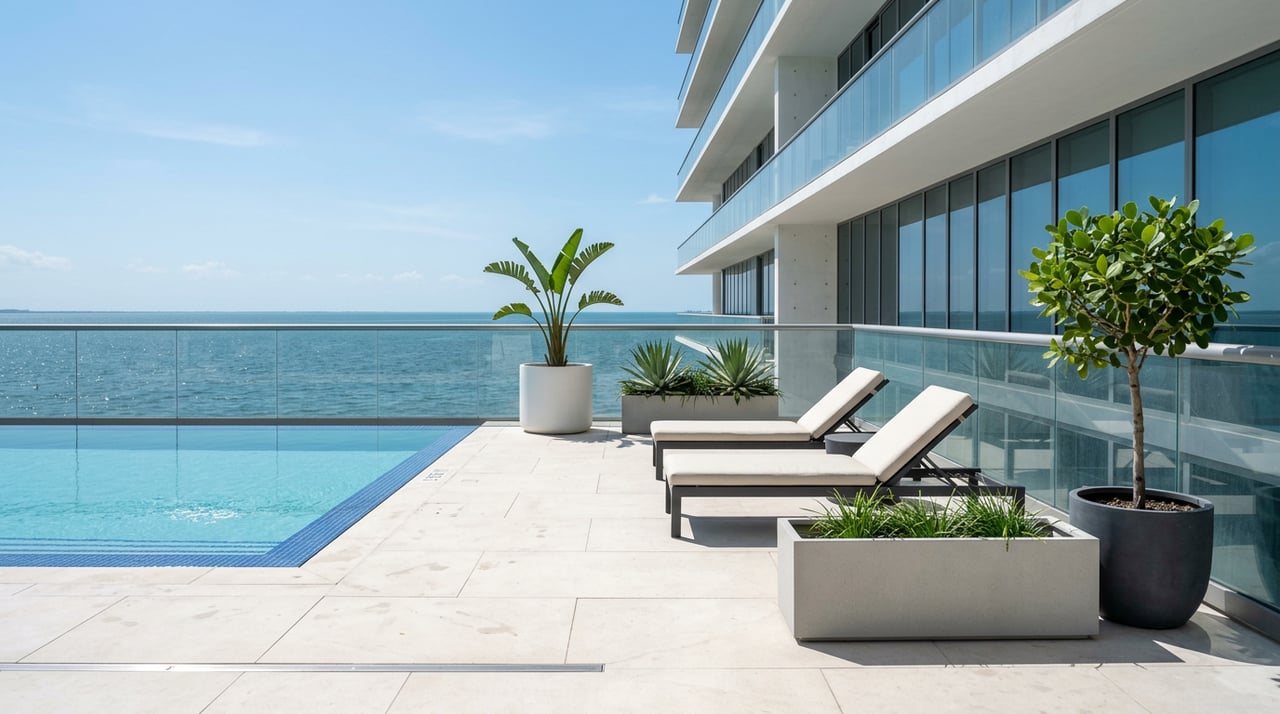
Waking up to Biscayne Bay outside your window is hard to beat. If you want that view plus a walkable, village feel, Coconut Grove delivers both in a way few Miami neighborhoods can. In this guide, you’ll see what daily life looks like, how buildings and amenities differ, what to know about marinas and boat slips, and the key ownership details that smart buyers check. Let’s dive in.
Waterfront life in Coconut Grove
Coconut Grove blends a leafy main street vibe with an active bayfront. You can stroll to coffee near CocoWalk, then head to the shoreline for a run or a quiet moment by the water. The neighborhood’s identity revolves around local restaurants, arts, and a visible sailing culture that gives the area a lived‑in warmth. For a quick primer on the Grove’s character, explore the official neighborhood overview from Greater Miami and Miami Beach.
Weekends often center on the parks and waterfront. You might watch sails on the bay, picnic with friends, or bike the scenic routes that fan out from the village core. Even if you live in a tower, the public green spaces make it feel like a neighborhood, not an isolated high‑rise district.
Explore Coconut Grove’s neighborhood overview
Condo types and amenities
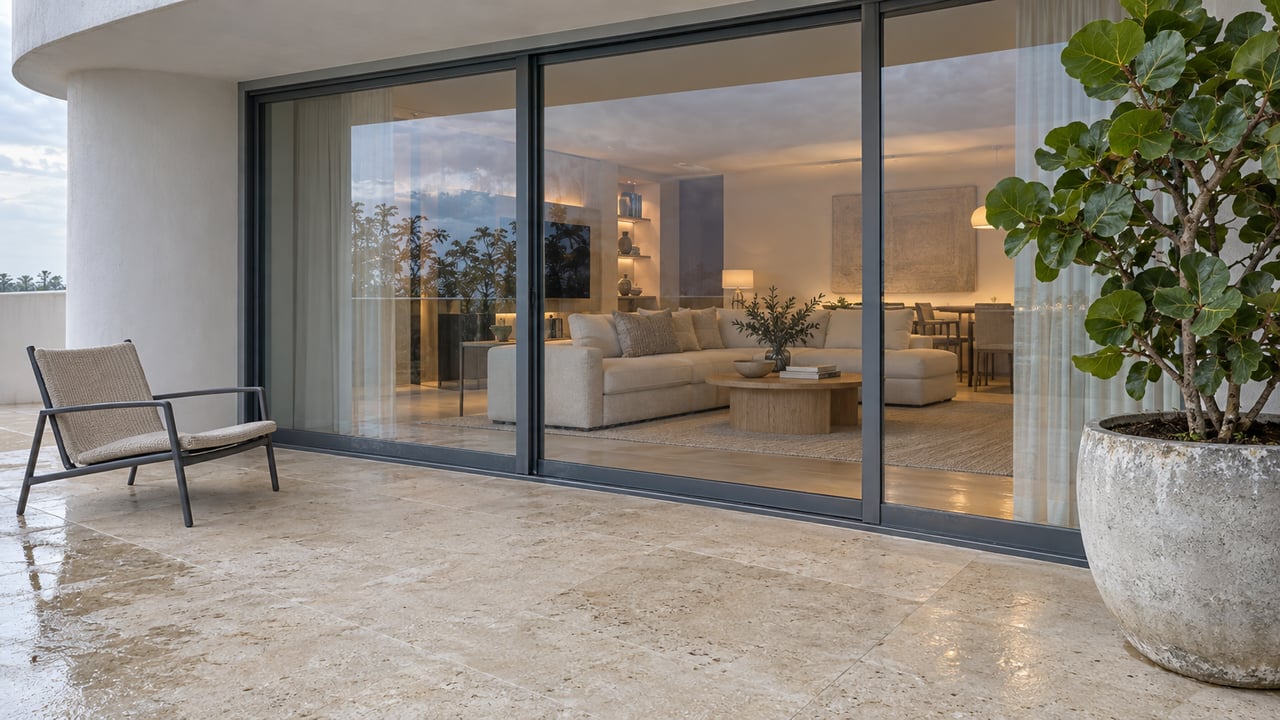
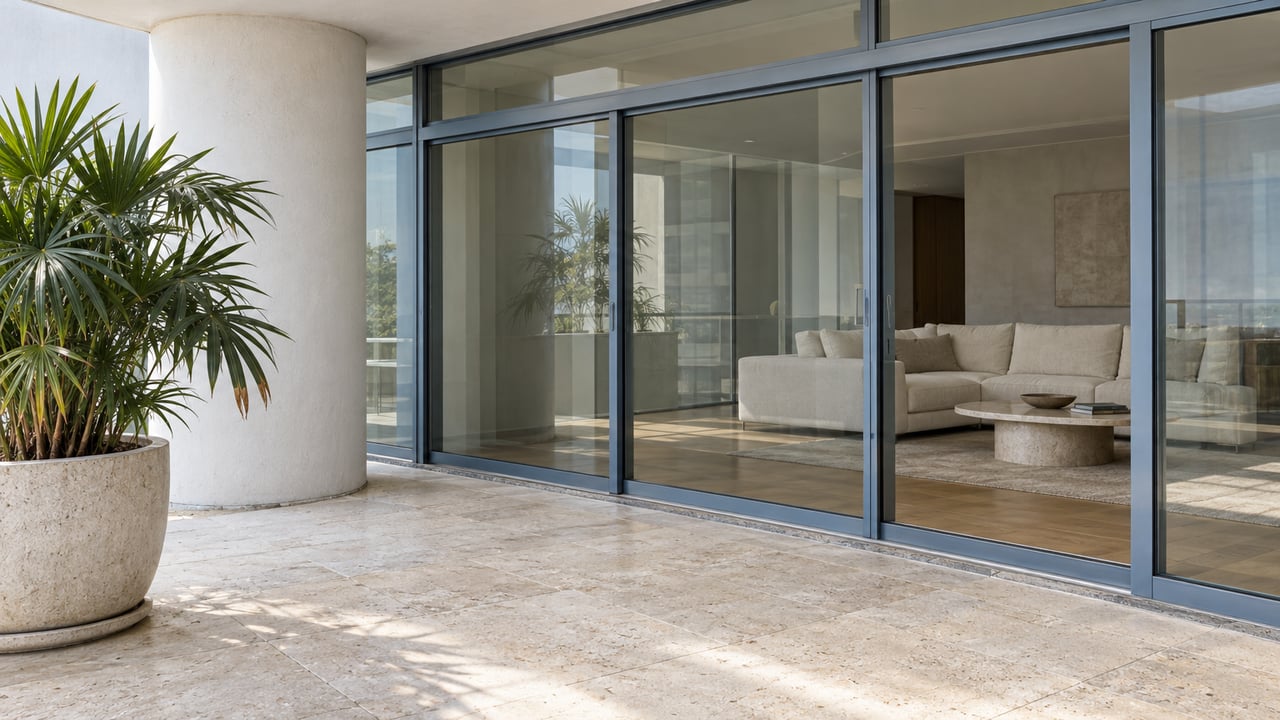
Waterfront and bay‑view condos in the Grove range widely. Near the village, you’ll find smaller garden‑style buildings and mid‑rises with classic character. Directly on the bay, expect taller luxury towers and gated developments that maximize views with floor‑to‑ceiling glass and expansive balconies. Private‑island settings like Grove Isle illustrate how some communities combine bay exposure with resort‑style privacy.
Most waterfront buildings offer a familiar amenity set. You’ll typically see secure lobbies or concierge service, fitness centers, pool decks oriented to the bay, covered parking with a mix of reserved and valet, on‑site management, and storage. Higher‑end properties and islands may layer in staffed marina access or coordinated dock services. Amenity depth often tracks building age and price tier.
- Reference: Grove Isle background
Marinas and boat ownership
If time on the water matters to you, take a close look at access. Dinner Key Marina is the Grove’s anchor for boaters, offering wet slips, moorings, and a central location by shops and dining. Many condo communities advertise slips, but those rights vary. Some units include deeded slips. Others rely on a building‑managed marina lease or a waitlist. Private‑island rules can differ from municipal marinas.
Before you write an offer, confirm whether a slip is deeded to the unit, separately deeded, or simply rented. Also ask about transfer rules, depth and clearance limits, guest dock policies, and waitlists. If a slip is critical, treat it as its own due‑diligence track.
- Learn more: Dinner Key Marina
Market snapshot and value drivers
Coconut Grove is one of Miami‑Dade’s higher‑value neighborhoods. Reported median home prices were in the multi‑million range in early 2026, with direct waterfront units commanding meaningful premiums. Within the condo segment, pricing flexes with building pedigree, renovation history, floor height, and whether you have a direct bay view versus a partial or city view. Slip ownership can also affect value.
Age matters. Older buildings may have charm and lower entry prices, but they can carry upcoming capital projects that lead to special assessments. Newer towers often provide modern amenities and enclosures that meet today’s codes, paired with higher monthly fees. Either path can be right; the key is to match your goals to the building’s financials and physical plan.
Risk, codes, and insurance basics
Owning on the water adds a few essential checks. Build them into your process early to avoid surprises.
Flood exposure and resilience
Miami‑Dade publishes a Sea Level Rise Strategy and resilience planning tools that help you visualize risk and planned adaptation work. For a property‑specific look, use the NOAA Sea Level Rise Viewer to explore scenarios by address. These tools inform smart conversations about mitigation and insurance.
- County strategy: Miami‑Dade Sea Level Rise Strategy
- Maps: NOAA Sea Level Rise Viewer
Flood insurance and your condo
If a building lies in a FEMA Special Flood Hazard Area, lenders generally require flood coverage. Many associations carry a master NFIP policy known as an RCBAP that insures the building itself. As a unit owner, you may still need a separate policy for interior finishes and contents. Confirm the association’s flood policy, coverage limits, and whether lenders accept them for your loan type.
- Guidance: FDIC flood insurance overview
Wind, impact protection, and code
Miami‑Dade sits in Florida’s High‑Velocity Hurricane Zone. Newer buildings and product replacements must meet impact and wind standards, often documented by Miami‑Dade Notices of Acceptance. When evaluating a building, ask if windows, doors, and balcony glazing are impact‑rated and when they were installed. Replacement costs can be material, so it pays to confirm.
- Reference: Florida Building Code HVHZ summary
HOA governance, reserves, and assessments
Florida’s condominium statute requires specific reserve and inspection rules. Many associations now complete structural integrity reserve studies on a set schedule. As a buyer, request the latest reserve study, audited financials or compiled statements, current budget, and 2 to 3 years of meeting minutes. You want a clear picture of planned repairs, special assessments, and reserve funding practices before you close.
- Statute: Florida Statutes, Chapter 718.112
Short‑term rentals in condos
Short‑term rental rules are highly local and often restricted by the condo declaration. The City of Miami and Miami‑Dade County have registration and tax programs for eligible properties. If rental income is part of your plan, verify three layers: whether the condo allows it, current city and county registration rules, and any platform filing requirements. Treat the rules as dynamic and re‑check them before modeling returns.
- Start here: Miami‑Dade short‑term rental services
Day in the life on the bay
Mornings tend to start outdoors. You might watch the sunrise from your balcony, jog the baywalk, or head out for a quick sail before work. Midday, the village core offers cafes, boutiques, and shaded sidewalks that make errands pleasant on foot.
Evenings bring options. Dinner along South Bayshore Drive lets you linger over the view, or you can keep it simple with a quiet sunset from home. The steady presence of marinas and parks keeps the waterfront front and center in daily life.
Buyer checklist: waterfront condos
Use this quick list to focus your due diligence early.
- Association financials and reserves: latest reserve study, audited or compiled financials, current budget, and 24 months of minutes. Confirm any planned projects and special assessments. See Chapter 718.112.
- Insurance package: association master policy details, flood policy type and limits, wind and umbrella coverage. Align with lender expectations. See FDIC flood guidance.
- Flood and elevation: FEMA flood zone for the building, elevation certificate if available, and any recent flood claims. Visualize scenarios with the NOAA Sea Level Rise Viewer.
- Building condition: milestones or inspection reports, façade and garage waterproofing history, roof and balcony timeline, and any code‑mandated upgrades.
- Marina and boat slips: deeded vs. rented slips, transferability, depth and clearance limits, guest docking, and waitlist policies. For public options, review Dinner Key Marina.
- Hurricane and resilience: impact‑rated windows and doors, generator capacity, flood‑hardening measures, and performance during major storms. See the county’s Sea Level Rise Strategy.
Final thoughts and next steps
If you want bay views without giving up a walkable, village setting, Coconut Grove is a standout choice. The key is pairing the lifestyle you want with a building that fits your risk tolerance, marina needs, and financial plan. With the right guidance, you can secure a residence that feels effortless on day one and resilient for the long term.
For private building comparisons, marina rights clarity, and a clear due‑diligence plan, schedule a Private Consultation with the JJABREU Group.
FAQs
What does daily life feel like in a Coconut Grove waterfront condo?
- Expect a relaxed, walkable rhythm with local dining, active waterfront parks, and visible sailing culture, plus quiet balcony sunsets over Biscayne Bay.
How hard is it to secure a boat slip near Grove condos?
- It varies by building and the marina; confirm whether your unit includes a deeded slip, a rentable slip, or a waitlist, and review transfer and depth rules in writing.
What insurance do you need for a waterfront condo in Miami?
- Most buyers rely on the association’s master policy plus unit coverage for interiors and contents; flood may be required in FEMA SFHAs and should be verified early with your lender.
How do Florida HOA reserves and assessments affect buyers?
- Reserve funding and planned capital work drive future costs; review the latest reserve study, budgets, and minutes to gauge potential assessments before you commit.
Are short‑term rentals allowed in Coconut Grove condos?
- Some declarations prohibit them and local registration and tax rules apply; verify condo rules first, then check current city and county requirements before modeling income.