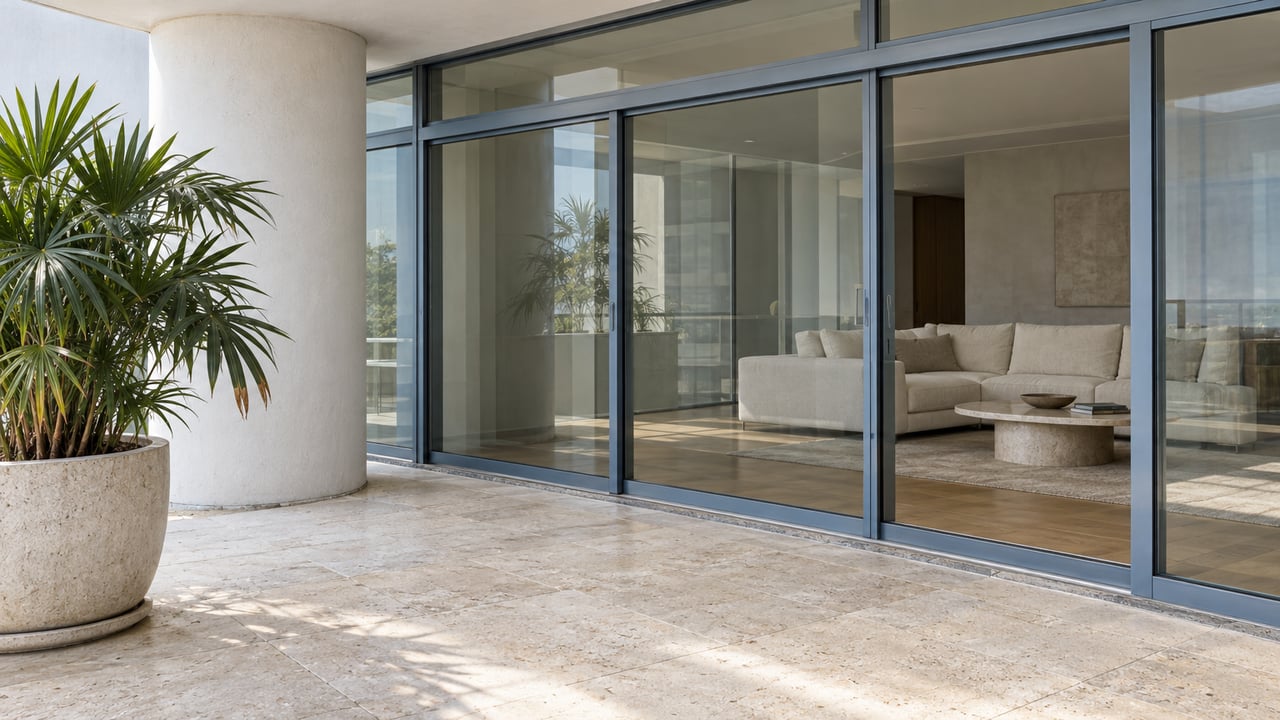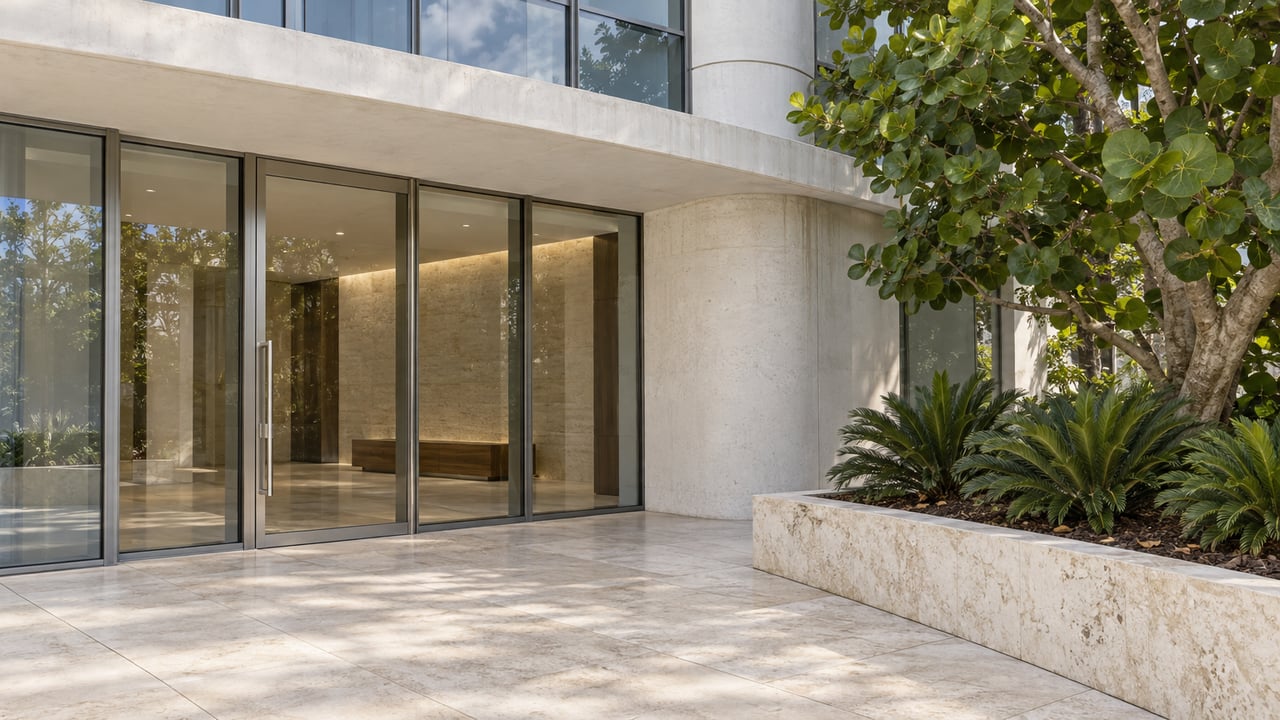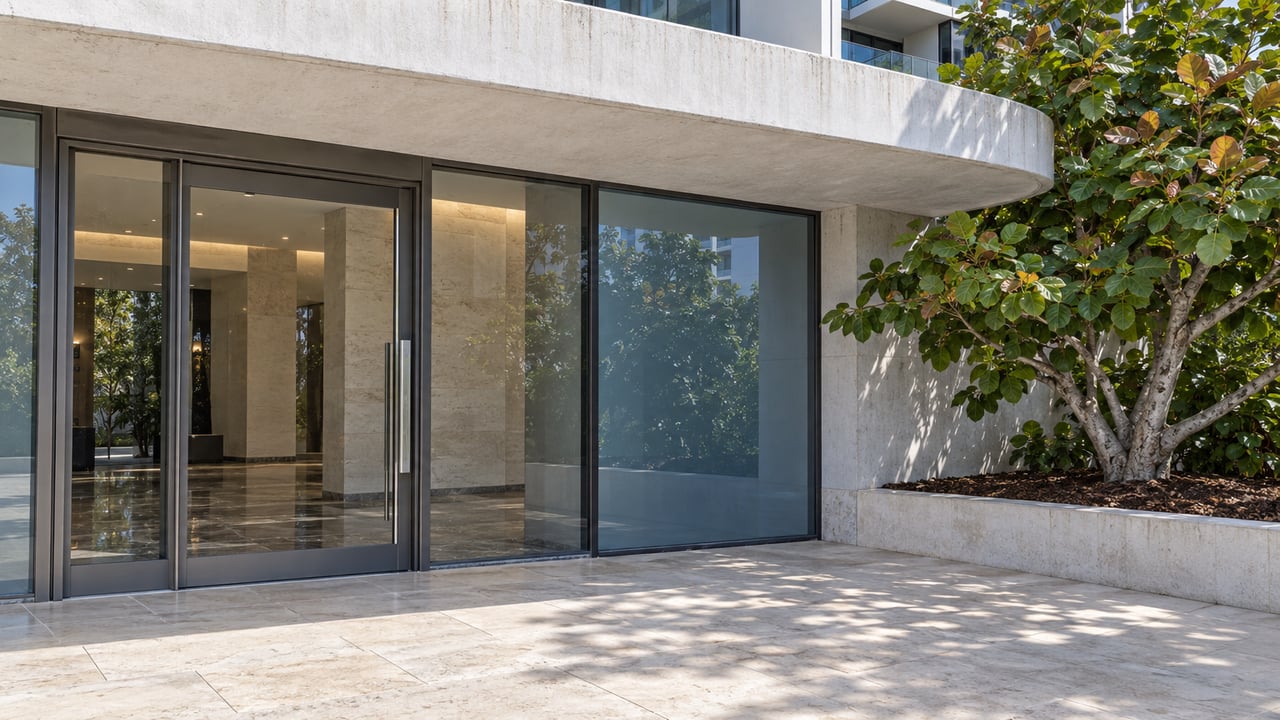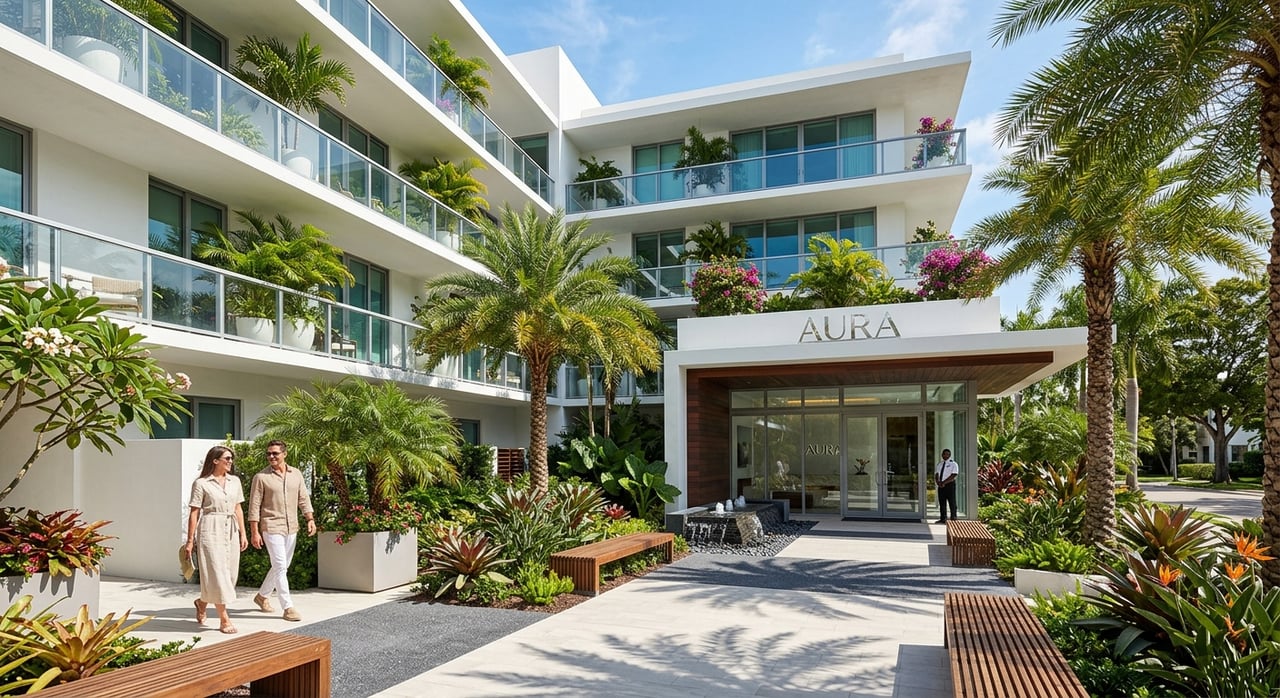
If you are drawn to Coconut Grove for privacy, greenery, and a more low-scale residential feel, a boutique condo may be exactly the kind of property worth a closer look. But in this part of Miami-Dade, buying into a smaller building is not just about finishes or curb appeal. You also need to understand how local character, building governance, reserves, and inspection rules can shape your ownership experience. Let’s dive in.
Why boutique condos fit Coconut Grove
Coconut Grove stands apart because much of the neighborhood is shaped by preservation-minded planning. The City of Miami’s Neighborhood Conservation District framework covers much of the area, and the NCD-3 rules are designed to preserve the Grove’s historic residential character, tree canopy, green space, and architectural variety.
For you as a buyer, that matters because the setting helps support smaller-scale residential buildings that feel connected to the neighborhood. In many cases, the appeal is less about a long amenity list and more about privacy, design, and a building that feels naturally placed within Coconut Grove’s streetscape.
The area’s mobility options reinforce that lifestyle. The Coconut Grove trolley serves the historic neighborhood and connects to parks, shopping areas, City Hall, Metrorail, and Grove Central, while local planning documents emphasize pedestrian-oriented corridors and landscape buffering.
One important note: Coconut Grove is mostly within the City of Miami, but some portions extend into Coral Gables. Before you assume which zoning, permitting, or local building requirements apply, verify the exact municipal jurisdiction for the property you are considering.
What “boutique” usually means
“Boutique condo” is a market term, not a formal legal category. In real estate, it typically refers to a smaller luxury condominium building with fewer residences and a more intimate owner experience.
In practical terms, that often means:
- Fewer neighbors
- Less crowded shared spaces
- A greater sense of privacy
- More distinct architecture or design identity
- A community where governance has a direct impact on daily living
In Coconut Grove, that model tends to align well with the neighborhood’s lower-density, preservation-oriented framework. For many buyers, the value proposition is not sheer scale. It is the combination of location, architectural character, and a more discreet ownership experience.
Why smaller buildings require sharper diligence
A boutique building can feel more personal, but it can also be less forgiving financially. Fixed costs are spread across fewer owners, so issues like repairs, insurance, reserves, and special assessments may have a more concentrated impact.
That does not make boutique condos a poor choice. It simply means you should evaluate the association as carefully as you evaluate the residence itself. In a smaller building, the quality of governance can affect your monthly costs, your future flexibility, and the building’s long-term condition.
Review the condo documents carefully
For a Florida condo resale, the document package is not just background information. It can directly affect contract timing and your ability to cancel within the statutory review period.
As a buyer, you should request and review:
- The declaration of condominium
- Articles of incorporation
- Bylaws and rules
- The annual budget
- The annual financial statement
- The association’s FAQ sheet
- Any applicable milestone inspection summary
- The most recent structural integrity reserve study
- Any turnover inspection report, if required for the building
For resales, Florida law generally gives you a 7-day cancellation window after receipt of the required resale documents. For applicable contracts after 2024, milestone inspection and structural reserve study materials must also be acknowledged when they apply.
Understand how the association operates
In a boutique condo, association governance can shape your day-to-day ownership more than you might expect. Florida’s required governance disclosures are designed to explain the board’s role, meeting notices, owners’ rights to attend and speak, maintenance responsibilities, record access, assessment obligations, voting rights, and rule enforcement.
That information is especially useful in a smaller building. When there are fewer units, board decisions can feel more immediate because each owner’s share of expenses and participation in community matters may carry greater weight.
Check the financial reporting level
Florida’s reporting thresholds can help you read a condo package with more confidence. Current law generally requires:
- Cash-receipts reporting for associations with annual revenue below $150,000
- Compiled financial statements for $150,000 to under $300,000
- Reviewed statements for $300,000 to under $500,000
- Audited statements for $500,000 or more
These reports should show line items such as insurance costs, building maintenance and repair, and reserves. In a boutique building, those categories deserve close attention because smaller communities may have less room to absorb sudden cost increases.
Verify access to association records
Florida law requires condo associations to keep official records in the state and organize them for inspection. Those records include financial reports, audits or reviews, reserve studies, bids, permits, board education certificates, and other operational documents.
Most records must be kept for at least 7 years, while structural integrity reserve studies must be kept for 15 years. In general, records must be made available within 10 working days. If an association is slow, vague, or incomplete in its record handling, that may be a useful signal during your diligence period.
Focus on reserves and building condition
For older boutique buildings, reserves and structural condition are central underwriting issues. A lower monthly fee may look appealing at first glance, but it does not tell you whether the building is adequately funding future capital needs.
Florida’s structural integrity reserve study rules are especially important for condominium buildings that are three habitable stories or higher. The study must cover major building components including the roof, structure, fireproofing and fire protection, plumbing, electrical systems, waterproofing and exterior painting, windows and exterior doors, plus any other high-cost item that materially affects those systems.
These studies must be completed at least every 10 years. For many older associations, the initial compliance deadlines were tied to December 31, 2025, with limited alignment through December 31, 2026.
Know the difference between SIRS and milestone inspections
Buyers often treat these as the same thing, but they are separate. A structural integrity reserve study estimates future reserve funding needs for key components. A milestone inspection is a building safety inspection required under separate rules.
Under Florida law, milestone inspections apply to qualifying condo or co-op buildings that are three habitable stories or more by the year they turn 30, then every 10 years after that. Local enforcement agencies may shorten that threshold to 25 years where salt-water proximity or similar conditions justify it.
For a Coconut Grove purchase, you should ask whether the building is subject to either or both requirements, whether reports have been completed, and whether any repairs are pending. Those answers can materially affect both near-term cost and long-term ownership planning.
Miami-Dade recertification matters too
In Miami-Dade County, building recertification is its own separate process. It begins at 25 years for coastal buildings and 30 years for inland buildings, then repeats every 10 years.
The county gives 90 days to submit the required report and may refer overdue properties to Unsafe Structures enforcement. For you as a buyer, that means the exact location and classification of the building matter. A Coconut Grove address alone does not tell the full story.
Ask whether reserves were paused or reduced
Florida law allows a board, with majority approval, to pause or reduce reserve contributions for up to two consecutive annual budgets to fund required repairs if the building completed a milestone inspection within the previous two calendar years. Before continuing normal reserve funding, the association must obtain an updated structural reserve study.
That is why your review should go beyond monthly dues. A building with modest fees may still be facing major repair funding decisions, while a building with higher dues may be budgeting more proactively.
Evaluate portfolio fit, not just aesthetics
For some buyers, a boutique condo in Coconut Grove functions more like a scarcity-driven lifestyle asset than a generic tower purchase. The upside often ties to location, architecture, privacy, and neighborhood character.
The trade-offs are also real. Liquidity can be narrower, fixed costs can be more concentrated, and governance quality matters a great deal. If you are buying for part-time use, long-term holding, or portfolio diversification, those factors should be weighed together.
A practical buyer checklist
Before moving forward on a boutique condo in Coconut Grove, consider this checklist:
- Confirm the exact municipal jurisdiction of the building
- Review the full condo document package early
- Check whether the building is three habitable stories or higher
- Ask for the latest structural integrity reserve study, if applicable
- Ask for any milestone inspection reports or summaries, if applicable
- Verify Miami-Dade recertification status for the exact address
- Review budgets, reserves, insurance, and repair history
- Ask whether any special assessments are active or being discussed
- Evaluate how responsive and organized the association is with records
- Consider whether the building’s scale and governance fit your ownership goals
Final thoughts on buying in the Grove
The best boutique condo opportunities in Coconut Grove usually come from the intersection of design, low density, and disciplined governance. In this market, a beautiful residence is only part of the story. The building’s financial health, inspection status, and record-keeping standards matter just as much.
If you want a more discreet ownership experience in one of Miami’s most character-rich neighborhoods, boutique condos can offer a compelling fit. The key is to approach the purchase with the same level of care you would bring to any meaningful lifestyle or portfolio decision.
If you are evaluating boutique condo opportunities in Coconut Grove and want a more tailored acquisition strategy, JJABREU Group offers private, high-touch guidance designed for discerning Miami buyers.
FAQs
What is a boutique condo in Coconut Grove?
- A boutique condo is not a legal condo category. It is a market term usually used for a smaller condominium building with fewer residences, a more private feel, and a more intimate ownership experience.
Why do boutique condo buyers in Coconut Grove need to review association documents?
- In Florida condo resales, the document package can affect contract timing and cancellation rights. It also helps you understand governance, budgets, rules, reserve planning, and the building’s overall financial health.
Are boutique condos in Coconut Grove easier to maintain than larger towers?
- Not necessarily. Smaller buildings may have fewer shared spaces, but repair costs, insurance expenses, reserves, and special assessments can be spread across fewer owners, which can increase each owner’s exposure.
What should buyers ask about reserves in a Coconut Grove condo building?
- Ask for the most recent structural integrity reserve study if it applies, review reserve funding levels, and check whether reserves were paused or reduced to fund repairs. Monthly dues alone do not show the full financial picture.
Are Florida milestone inspections the same as Miami-Dade recertification for Coconut Grove condos?
- No. They are separate systems. State milestone inspections and Miami-Dade recertification each have their own triggers and timelines, so you should verify both for the specific building you are considering.
Does municipal jurisdiction matter when buying a Coconut Grove condo?
- Yes. Coconut Grove is mostly within the City of Miami, but some parts extend into Coral Gables. The exact jurisdiction can affect which local zoning, permitting, and building-related rules apply.