What if your next condo could put dining, retail, transit, entertainment, and major cultural venues all within a short walk? That is a big part of the appeal near Miami Worldcenter, one of the fastest-evolving parts of Downtown Miami. If you are thinking about buying here, it helps to understand how the district is built, what types of residences you will find, and which details matter most before you commit. Let’s dive in.
Why Miami Worldcenter draws buyers
Miami Worldcenter is a 27-acre, 10-city-block mixed-use district in Downtown Miami, described by its developer as Florida’s largest open-air shopping and entertainment district. The area was designed as a pedestrian-friendly environment with tree-lined avenues and a blend of residential, retail, hospitality, and entertainment uses. That matters because you are not just buying into a single tower. You are buying into a broader urban ecosystem.
The district already functions as a daily-use destination. Current retail and lifestyle tenants include Apple, Sephora, lululemon, Free People, The Container Store, Posman Books, Ray-Ban, Earls Kitchen + Bar, Sixty Vines, Serafina, Maple & Ash, Lucky Strike, Club Studio, SkinSpirit, and more, according to the Miami Worldcenter directory and project materials. For many buyers, that existing mix adds convenience and supports a true live-work-play lifestyle.
Miami Worldcenter is also still expanding. An upcoming hospitality-led project by Witkoff is planned to include 1,700 hotel rooms and more than 600,000 square feet of meeting, exhibition, and event space. For you as a buyer, that signals continued investment in the district’s long-term profile.
Know the condo product types
One of the most important things to understand is that Miami Worldcenter is not one building or one ownership model. The district includes traditional for-sale condominiums, short-term-rental-friendly preconstruction residences, branded hotel-residence concepts, and rental apartment towers. Your ownership experience can vary significantly depending on which product you choose.
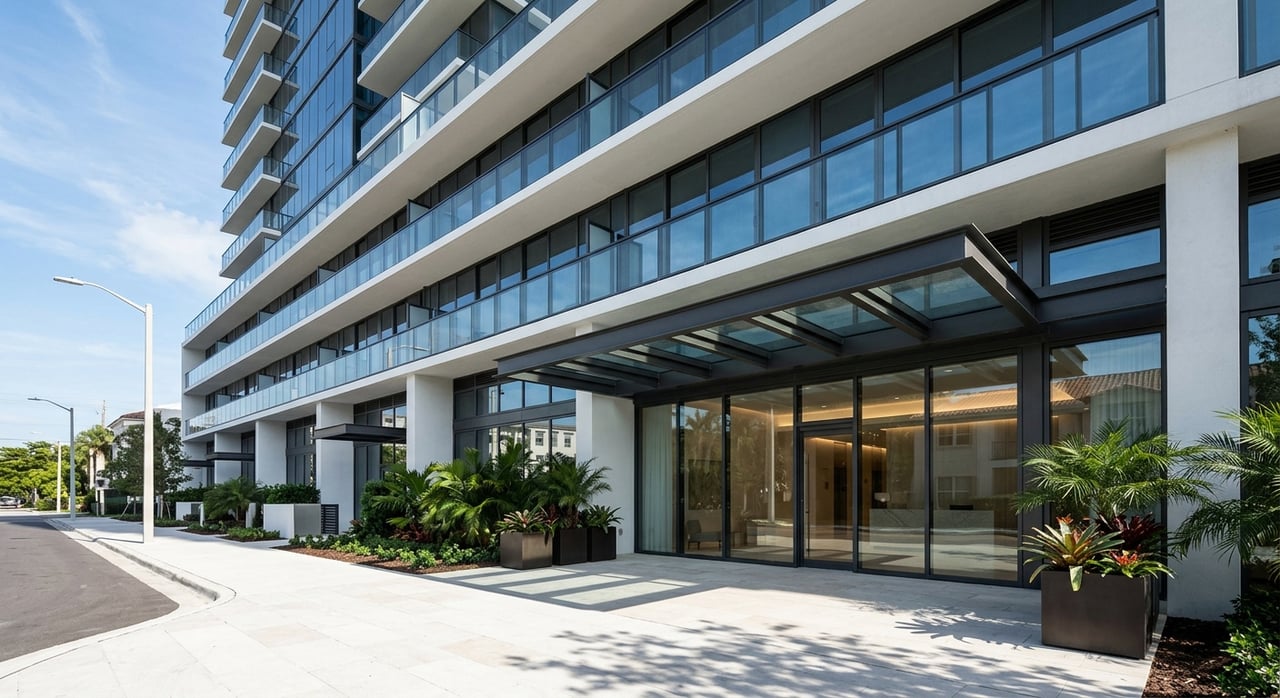
If your goal is a primary home or a more conventional luxury condo ownership structure, the best-known example is Paramount Miami Worldcenter. Miami Worldcenter describes it as a 60-story condo tower with more than 500 residences and extensive amenity space. Because residents began moving in by 2020, buyers here are evaluating an established ownership address rather than a future concept.
If you are more focused on flexibility, 600 Miami WorldCenter presents a very different profile. It is marketed as a fully furnished, short-term-rental-approved preconstruction tower with 579 residences across 32 stories. Unit types range from studios and junior one-bedrooms to two-bedrooms, which may appeal to buyers looking for a second home or an income-oriented strategy.
Another concept in the area is the branded hotel-residence model. Legacy Hotels & Residences is positioned around fully furnished microluxe residences, a rooftop atrium, an international business lounge, and a wellness-focused component. This type of product can be attractive if you value hospitality-style living and a more service-oriented format.
The district also includes rental buildings such as Bezel at Miami Worldcenter. That matters because when you explore this area, you will see a mix of owners, tenants, visitors, and short-stay users. It is wise to compare building rules carefully so your purchase matches your actual goals.
Match the building to your goals
Before you focus too much on finishes or views, define what success looks like for you. In Downtown Miami, and especially around Miami Worldcenter, the building’s rules and structure can matter as much as the location itself.
A simple way to think about it is this:
- Primary residence: A more traditional for-sale condo may offer the ownership structure and community feel you want.
- Second home: A furnished or service-oriented property may reduce setup time and simplify arrival.
- Income strategy: A short-term-rental-friendly building may align better with your goals, if that use is permitted by the building.
- Portfolio diversification: Product type, carrying costs, reserve funding, and rental rules all deserve close review.
For many buyers, the biggest mistake is assuming all Downtown condo towers operate the same way. They do not. A polished buying strategy starts with the right property category, then narrows to the right building.
Downtown access is a major advantage
Lifestyle is a major part of the value here, but so is mobility. Miami Worldcenter sits next to the Eleventh Street Metromover Station and is within walking distance of Brightline’s MiamiCentral Station. According to Miami-Dade County, Metromover runs seven days a week across 21 stations throughout Downtown, Omni, and Brickell.
The area is also benefiting from broader transportation improvements. The Miami Downtown Development Authority reports that the Freebee service connects key Downtown districts and destinations, including Miami Worldcenter, Brightline MiamiCentral Station, Kaseya Center, Government Center, and multiple Metromover stops. The DDA also notes that Tri-Rail began service to MiamiCentral in January 2024, while Downtown has added new separated bicycle lanes and continued progress on the Baywalk.
For you, that can translate into more flexibility in how you move around the city. Whether you commute occasionally, travel often, or simply want the option to leave your car parked, transit access is part of the location’s practical value.
What is within walking distance
Buyers are often drawn to this part of Downtown because so much is close by. Miami Worldcenter is within walking distance of Museum Park, Pérez Art Museum Miami, Frost Science Museum, Kaseya Center, the Adrienne Arsht Center, and Miami-Dade College’s Downtown campus, according to official Miami Worldcenter materials.
That range of nearby destinations supports daily convenience as well as long-term appeal. You are not relying on one attraction or one use case. Instead, you are buying in a district where retail, dining, events, public art, culture, and transit all reinforce each other.
Florida condo due diligence matters
If you are buying any condo in Florida, due diligence should be a central part of your process. That is especially true when comparing older buildings with newer towers or preconstruction opportunities.
Under Florida law on milestone inspections, buildings that are three habitable stories or more must complete milestone inspections by the year they turn 30, and then every 10 years after that. In some coastal areas, local agencies can require the first inspection at age 25. Timing can vary based on when the building reached the statutory age threshold.
Florida also provides buyer disclosure rights. For condo sales entered into after December 31, 2024, the contract must include the current milestone inspection summary or a statement that no inspection has been completed, along with the association’s most recent structural integrity reserve study or a statement that one has not been completed, under Section 718.503 of the Florida Statutes.
The Florida Department of Business and Professional Regulation also notes in its current condo law timeline that HB 913 extended the SIRS deadline to December 31, 2025, and that certain associations with 25 or more units must post specific documents online starting January 1, 2026. In practical terms, you should closely review:
- Reserve funding
- Milestone inspection status
- Structural integrity reserve study status
- Insurance costs
- Pending or proposed assessments
- Rental and occupancy rules
- Furnished or hospitality-use restrictions, if relevant
These details can materially affect both your experience and your long-term costs.
Why the broader Downtown market supports demand
Miami Worldcenter benefits from the depth of the larger Downtown Miami market. According to the Miami DDA’s Downtown demographics and data, Downtown has more than 101,000 active residents, 155,000 jobs, 200-plus residential buildings, 8,100-plus hotel rooms, and more than 30 construction projects. The DDA also reports that the residential population has grown by nearly 68% since 2012.
That scale matters because it supports a dense, active urban environment rather than an isolated pocket of development. For buyers, this can help reinforce the long-term case for Downtown as a place to live, invest, and spend time.
It also means your condo search should be strategic. In a market with multiple product types and a large amount of active development, the strongest opportunities often come from aligning your goals with the right building profile, not simply choosing the newest address.
A smart buying approach near Miami Worldcenter
If you are considering a condo near Miami Worldcenter, start with clarity. Decide whether you want a primary residence, second home, or investment-oriented property. Then evaluate the specific tower through that lens, paying close attention to ownership structure, building rules, rental flexibility, and carrying costs.
This is also where experienced guidance can make a real difference. In a district shaped by preconstruction, mixed-use expansion, and multiple residential formats, details matter. The right advice can help you compare opportunities more precisely, ask stronger due diligence questions, and move with more confidence.
If you want a discreet, high-touch perspective on buying near Miami Worldcenter or across Downtown Miami, connect with JJABREU Group for a private consultation.
FAQs
What types of condos are available near Miami Worldcenter in Downtown Miami?
- Buyers will find a mix of traditional for-sale condos, short-term-rental-friendly preconstruction residences, branded hotel-residence concepts, and rental apartment towers.
Is Miami Worldcenter a good location for a walkable Downtown Miami lifestyle?
- Yes. The area is designed as a pedestrian-friendly district and is close to retail, dining, entertainment, cultural venues, and transit options such as Metromover and Brightline.
What should you review before buying a condo near Miami Worldcenter?
- Focus on building-specific details such as rental rules, reserve funding, milestone inspection status, structural integrity reserve study status, insurance, and any pending assessments.
Are there transit options near Miami Worldcenter for Downtown Miami residents?
- Yes. The district is adjacent to the Eleventh Street Metromover Station, within walking distance of MiamiCentral, and connected to broader Downtown mobility options including Freebee service.
Why does the building type matter when buying in Miami Worldcenter?
- Building type affects how you can use the property, including whether it functions more like a primary residence, second home, flexible rental property, or hospitality-oriented residence.