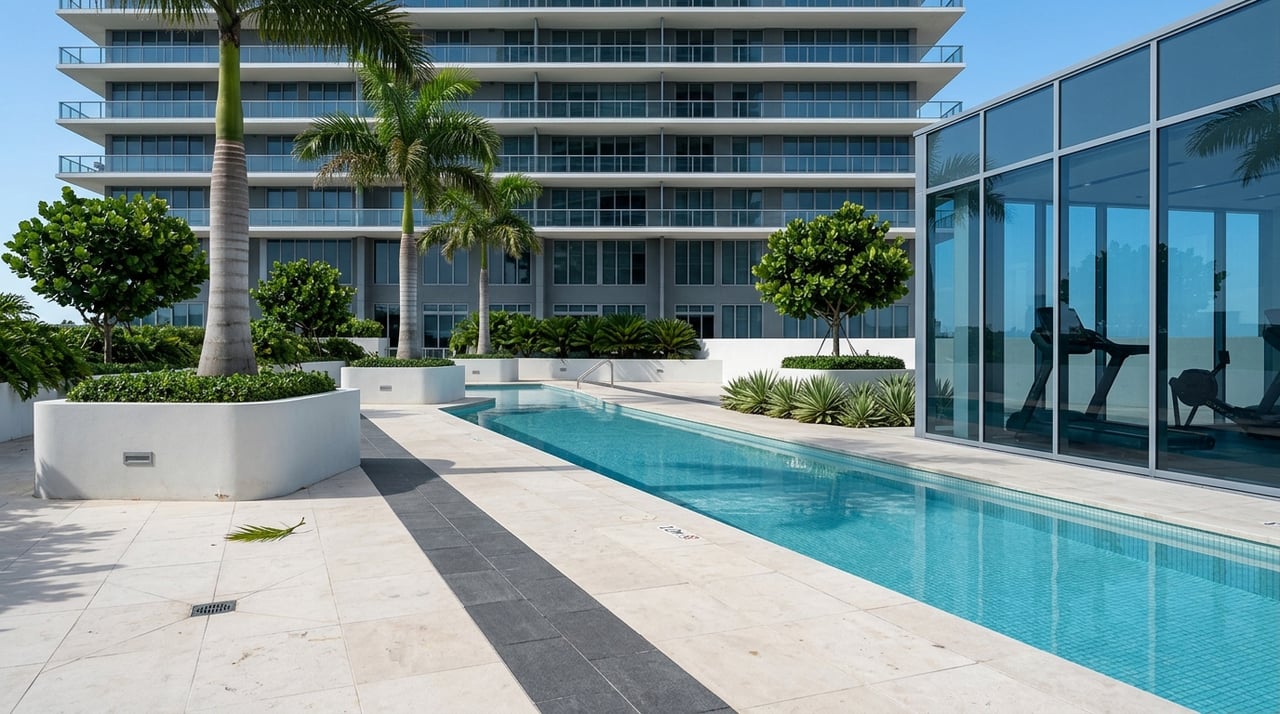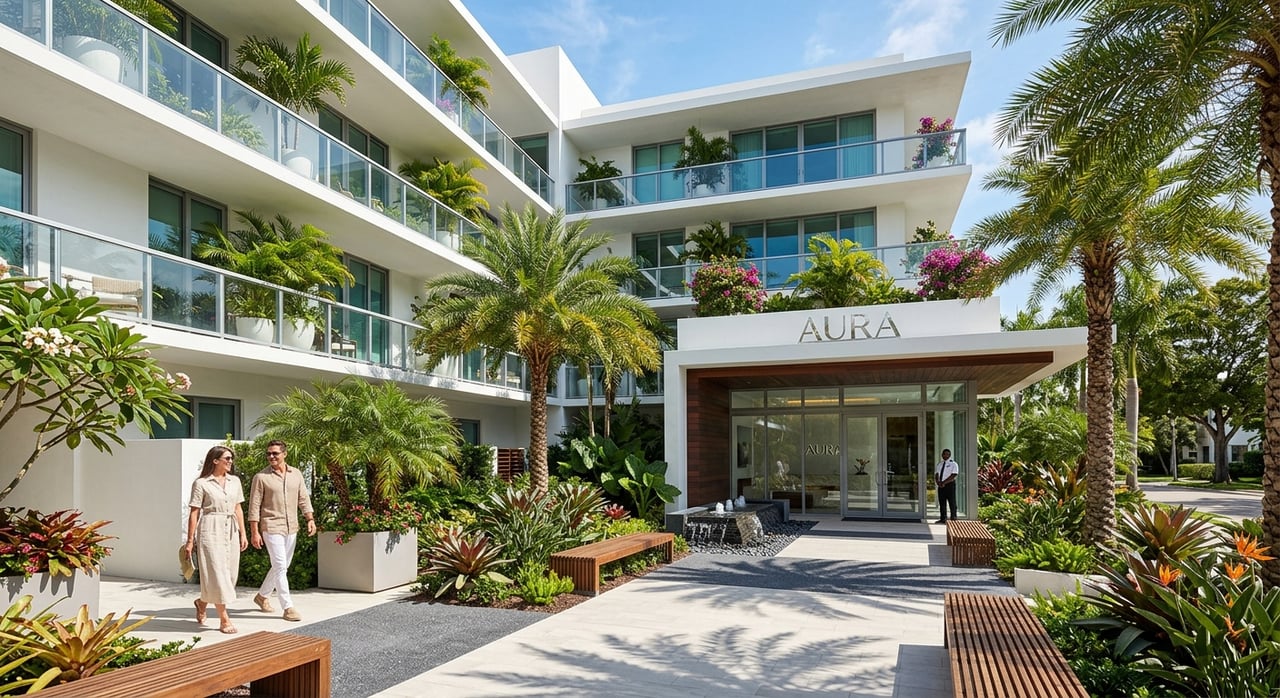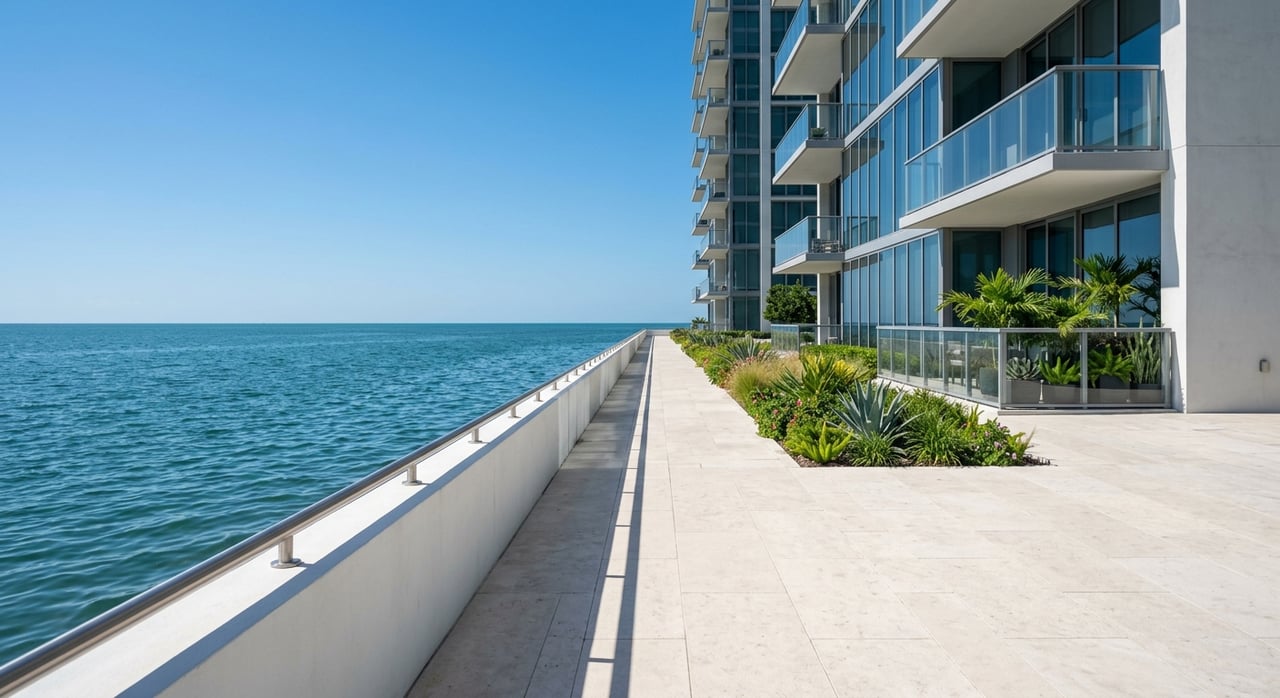
If you are comparing Brickell Key and mainland Brickell for a long-term condo investment, you are really comparing two different investment stories. One centers on privacy, waterfront scarcity, and a more contained island setting. The other centers on transit access, mixed-use energy, and a wider range of buildings and tenant or resale paths. Understanding that difference can help you choose a property that fits your hold strategy, risk tolerance, and portfolio goals. Let’s dive in.
Brickell Key and Brickell offer different investor profiles
For long-term condo investors, Brickell Key is best viewed as a scarcity-and-privacy play. The island has been developed over more than forty years, and its identity is closely tied to an exclusive, master-planned residential setting. That gives it a distinct character that appeals to buyers focused on privacy, waterfront positioning, and a more insulated ownership experience.
Mainland Brickell is the broader urban liquidity play. It is anchored by a dense mix of offices, retail, residences, hospitality, and transit connections. Brickell City Centre, which opened in 2016, is directly connected to the Metromover and close to Metrorail, reinforcing Brickell’s role as one of Miami’s major live-work-invest districts.
For you as an investor, that often means Brickell Key may fit a more concentrated long-term hold thesis, while mainland Brickell may offer more flexibility in leasing, resale timing, and product selection. Neither is automatically better. The stronger choice depends on what kind of asset you want to own and how you want that asset to perform over time.
Brickell Key favors scarcity and privacy
Brickell Key stands out because there is limited island inventory and a strong sense of separation from the mainland. That physical setting can matter in long-term investing because scarcity often shapes buyer perception, especially in trophy residential markets. It does not guarantee stronger resale, but it can support a more differentiated position in your portfolio.
The current Residences at Mandarin Oriental, Miami project also reinforces the island’s luxury identity. The project is described as the culmination of residential development on Brickell Key and includes more than 100,000 square feet of resort-style amenities tied into the baywalk. For investors, that signals continued brand visibility and long-term prestige around the island setting.
In practical terms, Brickell Key often appeals to buyers who want a quieter hold and a more end-user-oriented address. If your strategy values privacy, waterfront context, and limited direct competition, Brickell Key may deserve serious attention.
Brickell Key building inventory trends
Most of Brickell Key’s condo stock comes from the 1980s through the 2000s. Representative towers include Brickell Key One from 1982, One Tequesta Point from 1997, Two Tequesta Point from 1999, Three Tequesta Point from 2001, Courts Brickell Key from 2003, Carbonell from 2005, and ASIA from 2008.
That age profile matters because many of these buildings were designed around traditional luxury amenities rather than the newest branded-hospitality formats. You will often see pools, fitness centers, spas, concierge, valet, business centers, and in some buildings racquetball, squash, or tennis courts. These can still be compelling, but the presentation and amenity stack may differ from newer mainland product.
Mainland Brickell offers choice and urban liquidity
Mainland Brickell gives you a wider field of options. The neighborhood includes older legacy buildings, newer mixed-use towers, and active luxury development. That range can create more entry points across price, age, and rental strategy.
The district’s mixed-use nature is one of its biggest advantages for long-term investors. Brickell City Centre combines retail, offices, residences, and a hotel in one major node, with direct Metromover access and proximity to Metrorail. That level of connectivity supports daily convenience and can broaden the pool of future renters and buyers who value urban mobility.
Mainland Brickell also continues to add new luxury inventory. Current projects from Related Group include Baccarat Residences Miami, The St. Regis Residences, Miami, and Viceroy Brickell. This ongoing pipeline helps explain why the area continues to attract domestic and international capital, but it also means you should think carefully about future supply when choosing your building.
Mainland Brickell building inventory trends
Mainland Brickell has a much wider age spread than Brickell Key. At one end, you have older stock such as Brickell Townhouse from the early 1960s. At the other end, you have newer towers like REACH and RISE, both completed in 2016 at Brickell City Centre.
Those newer buildings were marketed with high-speed technology, premium finishes, floor-to-ceiling glass, tower suites, and penthouses. That is closer to the amenity and design standard many luxury buyers and renters expect today. If you want newer systems, newer finishes, and a more current hospitality-driven experience, mainland Brickell may offer more options.
Building age matters more than the neighborhood label
One of the biggest mistakes long-term investors make is focusing too much on the submarket name and not enough on the specific tower. In both Brickell Key and mainland Brickell, building age, reserve funding, inspection history, and maintenance planning are critical underwriting issues.
Florida’s milestone-inspection law requires condominium and cooperative buildings that are three stories or higher to be inspected by the year they reach 30 years of age, or 25 years in coastal areas where earlier review is triggered. In Miami-Dade, threshold buildings are also subject to recertification work that includes separate structural and electrical inspections. For older condos in both locations, this is not a side issue. It is a core part of evaluating long-term ownership costs and risk.
If you are comparing two condos with similar views and pricing, the stronger investment may be the tower with clearer reserve planning and a better-documented repair history. A beautiful location cannot offset weak building fundamentals over a long hold period.
Key tower-level items to review
Before you move forward on any Brickell Key or Brickell condo, focus on these property-specific questions:
- What year was the building completed?
- Is the building subject to milestone inspection or recertification requirements now or soon?
- How are reserves funded?
- What major repairs or upgrades have been completed recently?
- What is the association’s maintenance trajectory?
- What rental restrictions are written into the condo documents?
These details often have more impact on long-term returns than the neighborhood name alone.
Rental strategy is building specific
If income matters to your investment plan, do not assume Brickell Key or Brickell follows one uniform rental rule. Rental use in this market depends on a combination of the condo declaration, local zoning, and certificate status. That means two buildings a short distance apart can have very different leasing flexibility.
Miami-Dade’s vacation-rental ordinance requires compliance with Section 33-28 and notice to the condo or HOA board. The City of Miami also states that short-term rental is a lodging use allowed only where zoning and certificate-of-use rules permit it. The practical takeaway is simple: you need to underwrite rental policy at the building level, not by neighborhood reputation.
For long-term investors, that distinction matters. Mainland Brickell may appear to offer broader rental optionality because of its density and mixed-use profile, but you still need the exact building rules. Brickell Key may be more limited in some cases, but the right tower could still fit a stable hold strategy if your target tenant or future buyer aligns with the building’s profile.
Demand and supply shape long-term outcomes
Brickell Key and mainland Brickell both benefit from being in one of Miami’s most visible luxury condo corridors, but demand drivers look different. Brickell Key’s long-term appeal is tied to scarcity, privacy, and a strong island identity. That can support durable interest from buyers who prioritize exclusivity and a quieter residential setting.
Mainland Brickell benefits from scale, access, and continual reinvestment. It combines offices, retail, transit, and an active development pipeline, which can support broader renter and buyer demand. MIAMI REALTORS also noted that Brickell was expected to absorb more than 6,000 apartments and condos over the following years across at least a dozen projects, underscoring both the scale of opportunity and the importance of supply awareness.
International demand is another factor. MIAMI REALTORS reported that international buyers purchased 49% of South Florida new-construction, pre-construction, and condo-conversion sales during the study period referenced in the research. That helps explain why mainland Brickell continues to attract capital, particularly in high-visibility luxury projects.
What current rental trends suggest
For income-oriented investors, the broader rental backdrop also matters. MIAMI REALTORS reported that Miami Metro multifamily asking rents rose 0.6% year over year in February 2026, with high-income renters supporting upper-tier rental demand. That is useful context for luxury inventory, especially in well-located towers.
Still, market-level rent growth does not replace tower-level analysis. You should pair rent trends with monthly carrying costs, leasing restrictions, amenity competitiveness, and the likely tenant profile for the exact building you are considering.
Which option may fit your portfolio better?
A simple way to frame the choice is this: Brickell Key is often the more concentrated scarcity hold, while mainland Brickell is often the more flexible, higher-supply play. That does not make one conservative and the other aggressive in every case. It means the sources of value can differ.
Brickell Key may suit you if your priorities include:
- Privacy and a quieter residential setting
- Waterfront scarcity
- A more differentiated trophy address
- A long-term hold centered on exclusivity
Mainland Brickell may suit you if your priorities include:
- More product choice across building ages and formats
- Newer-build amenity stacks
- Transit-linked urban convenience
- Potentially easier leasing or repositioning options
The strongest long-term investments in either location usually come from disciplined selection, not broad assumptions. The exact tower, association health, inspection status, reserve structure, and rental rules should guide your decision.
If you are weighing Brickell Key against Brickell, the goal is not just to buy in the right neighborhood. It is to buy the right building for the role that asset will play in your portfolio. For a tailored, discreet review of current opportunities, connect with JJABREU Group.
FAQs
What is the main difference between Brickell Key and Brickell for long-term condo investors?
- Brickell Key is generally a scarcity-and-privacy play with a more contained island setting, while mainland Brickell is typically a broader urban liquidity play with more transit access, mixed-use activity, and product choice.
Are Brickell Key condos usually older than mainland Brickell condos?
- Brickell Key inventory is largely concentrated in 1980s to 2000s towers, while mainland Brickell has a wider range that includes older legacy buildings and newer luxury towers such as REACH and RISE from 2016.
Why do condo reserves and inspections matter in Brickell Key and Brickell?
- In both locations, older coastal towers may be affected by Florida milestone-inspection requirements and Miami-Dade recertification rules, so reserve funding, repair history, and inspection status are major factors in long-term ownership risk and cost.
Can you use any Brickell or Brickell Key condo as a rental property?
- No. Rental use depends on the specific condo declaration, local zoning, and certificate status, so you need to review each building’s rules rather than assume the neighborhood determines rental flexibility.
Is Brickell better than Brickell Key for rental-focused investors?
- Mainland Brickell may offer broader rental and resale optionality because of its transit links, mixed-use environment, and wider building selection, but the better fit still depends on the exact tower’s carrying costs, rental restrictions, and target tenant profile.
Is Brickell Key better for a trophy long-term hold?
- Brickell Key may be a strong fit if you value privacy, waterfront scarcity, and a more exclusive island identity, especially for a long-term hold focused on differentiated positioning rather than maximum product choice.