Deciding between Brickell and Downtown Miami for your next luxury condo? You want the right address, unmatched views, and a property that performs over time. This guide gives you a clear, side‑by‑side view of lifestyle, building types, pre‑construction dynamics, and risk factors so you can move forward with confidence. Let’s dive in.
Brickell vs Downtown at a glance
Brickell sits just south of the Miami River and delivers a dense, premium urban‑residential experience centered on Brickell Avenue and the bay. Downtown begins north of the river around Bayfront Park and Biscayne Boulevard, with a mix of cultural institutions, civic uses, and residential towers. Many buyers and listings use “Brickell/Downtown” interchangeably, so exact block, exposure, and building matter more than the label when it comes to price and views. Keep location and building quality at the top of your shortlist.
Lifestyle and daily rhythm
Brickell’s urban‑residential core
Brickell is Miami’s financial district with a refined residential feel. You’ll find luxury towers, hotel‑branded residences, upscale restaurants, and a strong after‑work scene. Services are robust in newer buildings, with doormen, concierges, and full lifestyle programming designed for all‑day living.
Downtown’s civic and cultural hub
Downtown offers more variety. It brings museums, performing arts, parks, and event venues alongside high‑end towers and older buildings. Expect daytime civic activity and event energy around Bayfront Park and the arena district, plus proximity to transportation hubs and intercity rail.
Walkability and transit access
Both neighborhoods are highly walkable by Miami standards. The free Metromover connects key loops in Brickell and Downtown, and Metrorail links Brickell and Government Center to the wider region. Brightline at MiamiCentral offers intercity connections, while I‑95, Brickell Avenue, and Biscayne Boulevard provide direct road access. Traffic patterns vary by time of day, so plan your commute and valet access accordingly.
Waterfront and views
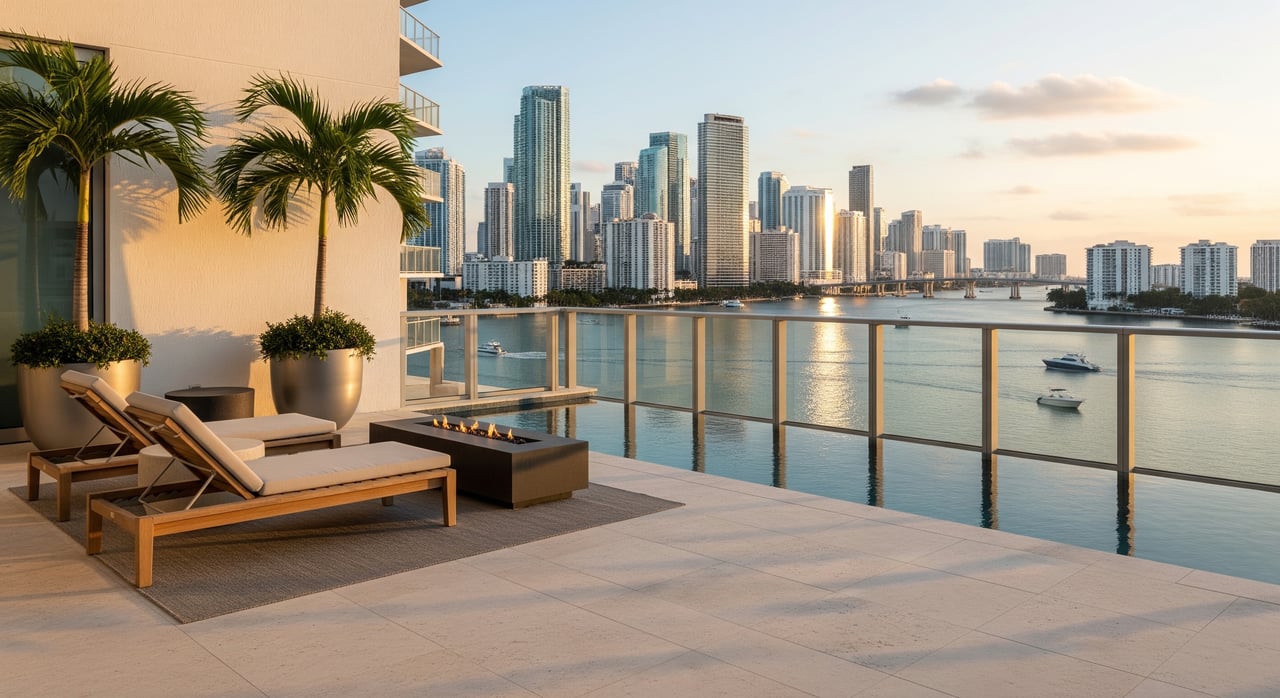
You can achieve strong bay, river, or skyline views in both areas. Brickell often delivers more direct Biscayne Bay and Miami River exposures, including select opportunities on Brickell Key. Downtown’s orientation brings dramatic bayfront park and skyline vistas, with cultural landmarks in view. As always, floor height, line, and neighboring development drive view quality and long‑term value.
Buildings and amenities
Brickell product mix
Brickell’s skyline features high‑rise luxury and branded residences with a focus on full‑service living. Many buildings cater to owner‑occupiers and international buyers, with larger two‑plus bedroom floor plans, generous amenity decks, and penthouse or full‑floor offerings. Hotel‑brand partnerships and signature food and beverage concepts are common in marquee properties.
Downtown product mix
Downtown includes a broader mix, from trophy new construction to mid‑rise conversions and older condos. You will find luxury towers, yet there is also a significant base of investor‑oriented and rental stock compared with Brickell. Some properties integrate office or retail components, and conversions are reshaping pockets of the neighborhood.
Amenity profiles
Luxury towers in both areas may advertise similar checklists, but Brickell buildings frequently push deeper lifestyle programming. Expect multiple pools, spa and wellness suites, private dining rooms, cigar lounges, owners’ clubs, screening rooms, in‑house valet, and concierge services. Newer Downtown towers can match this, while amenity depth varies more when older buildings or mixed‑use properties are in the mix.
Pre‑construction differences that matter
Developer profiles and design intent often diverge between the two areas. Brickell tends to attract flagship, high‑end projects by internationally known developers and brands, which can command premium pricing due to location, view quality, and elevated finishes. Downtown often includes competitive pricing, more investor‑friendly unit mixes, and mixed‑use or conversion projects.
Deposit structures in Florida are staged, but the amounts and timelines vary by project. Some luxury offerings require higher deposit percentages and may offer customization. Key contract items include escrow handling, assignment rights, developer financing and timeline, completion guarantees, and track record. It is prudent to retain a Florida real‑estate attorney to review the documents and outline remedies for delays.
Investment, rentals, and risk
Pricing and yield
Per‑square‑foot pricing is highly sensitive to building, view, and floor plan. Brickell’s newest luxury towers often trade at a premium to much of Downtown’s stock, with exceptions on both sides. If you are investing, compare expected rental yields and occupancy and consider how leasing rules will shape cash flow and exit options. For current market conditions, review the latest Miami Association of Realtors market reports.
Rental and short‑term rental rules
Central Miami attracts long‑term renters and steady corporate demand, with some short‑term traction near cultural and business hubs. Short‑term rental rules can change at the city and county level, and many luxury buildings impose minimum lease terms or prohibit short‑term rentals. Confirm City of Miami and Miami‑Dade policies, plus your building’s HOA bylaws and enforcement history before you model returns.
Insurance, flood, and building safety
Miami’s coastal core faces hurricane wind exposure and flood risk. Flood zone designation and building elevation will influence insurance pricing and lender requirements. Check your property’s zone using the official FEMA flood maps and request current insurance quotes when comparing buildings.
Building safety and maintenance are top‑of‑mind after Florida strengthened inspection and recertification standards for coastal multifamily properties. Review building age, recertification status, reserve funding, recent engineering reports, and any major repairs or special assessments. You can find public planning and building notices through the City of Miami.
Taxes and international buyer notes
Property taxes vary based on assessed value and exemptions. Foreign buyers typically do not qualify for the homestead exemption and should plan for different financing terms if leveraging a foreign‑national mortgage. On resale, FIRPTA withholding can apply to foreign sellers, so plan ahead with your tax advisor. To validate resale comparables and property history, consult the Miami‑Dade County Property Appraiser.
Which fits your goals
Choose Brickell if you value
- A dense luxury‑residential environment with hotel‑style services.
- Premium bay or river exposures and proximity to flagship towers.
- Walkable access to upscale dining and Brickell City Centre.
- Owner‑oriented buildings with larger floor plans and curated amenities.
Choose Downtown if you value
- Cultural and civic adjacency near museums, parks, and event venues.
- Proximity to transit hubs like Government Center and MiamiCentral.
- A broader mix of product, including conversions and mixed‑use options.
- Competitive pricing or more flexible, investor‑friendly unit mixes.
Note on schools: both neighborhoods are urban in character. Many luxury buyers choose private schools in nearby Coconut Grove or Coral Gables and commute, which keeps your housing choice focused on lifestyle and investment metrics.
Your due‑diligence checklist
Use this list for both resale and pre‑construction purchases:
- Condo documents: bylaws, declaration, recent minutes, budget, reserve study, insurance policies, and any pending litigation.
- Building condition: engineering reports, recertification dates, and major repairs completed or planned.
- Insurance quotes: windstorm, flood, and general liability. Compare policy limits and premiums across buildings.
- HOA financials: reserve balances, delinquencies, assessment history, and any planned capital projects.
- Leasing rules: minimum lease terms, short‑term rental restrictions, and actual enforcement.
- Parking and storage: deeded or assigned spaces, guest parking, and any marina slip options.
- Pre‑construction specifics: developer track record, deposit schedule and escrow terms, delivery timeline, delay remedies, and assignment policy.
- View and sound: verify sightlines, sun exposure, and noise at different times of day.
- Taxes and global planning: consult a US CPA and attorney for tax, FIRPTA, and immigration considerations.
- Resale comps: review recent closings in the building and peer towers via the Miami‑Dade County Property Appraiser and development coverage in outlets like The Real Deal’s Miami section and the Miami Herald.
Work with a trusted local advisor
The right guidance can save you time, secure better allocations, and protect your downside. Our team is based in Brickell and focuses on ultra‑luxury pre‑construction, VIP launch access, and investor‑grade advisory for high‑net‑worth and international buyers. If you are weighing Brickell against Downtown, we will help you prioritize lifestyle, view corridors, brand quality, and contract terms that align with your goals.
Ready to compare top buildings, walk floor plans, and secure early allocations with confidence? Schedule a Private Consultation with the JJABREU Group.
FAQs
What are the biggest lifestyle differences between Brickell and Downtown Miami?
- Brickell feels like a dense luxury‑residential district with hotel‑style services, while Downtown offers a mix of cultural venues, parks, civic buildings, and residential towers around the bayfront.
How do Miami pre‑construction condo deposits typically work?
- Deposits are staged over time, with an initial reservation followed by larger payments at contract and during construction; percentages and timing vary by project, so review the developer’s terms and escrow setup with a Florida attorney.
Are short‑term rentals allowed in Brickell or Downtown Miami condos?
- Rules depend on city and county regulations plus each building’s HOA; many luxury towers set minimum lease terms or restrict short‑term rentals, so confirm written policies and enforcement before you underwrite returns.
How can I check flood risk and insurance considerations for a condo in central Miami?
- Verify the flood zone using the official FEMA flood maps and request current windstorm and flood insurance quotes from the association to compare total ownership costs across buildings.
Where can I find current data on Miami’s condo market and sales activity?
- Review the Miami Association of Realtors market reports for trends and use the Miami‑Dade County Property Appraiser for property records, then follow development coverage in The Real Deal’s Miami section and the Miami Herald for new‑project updates.