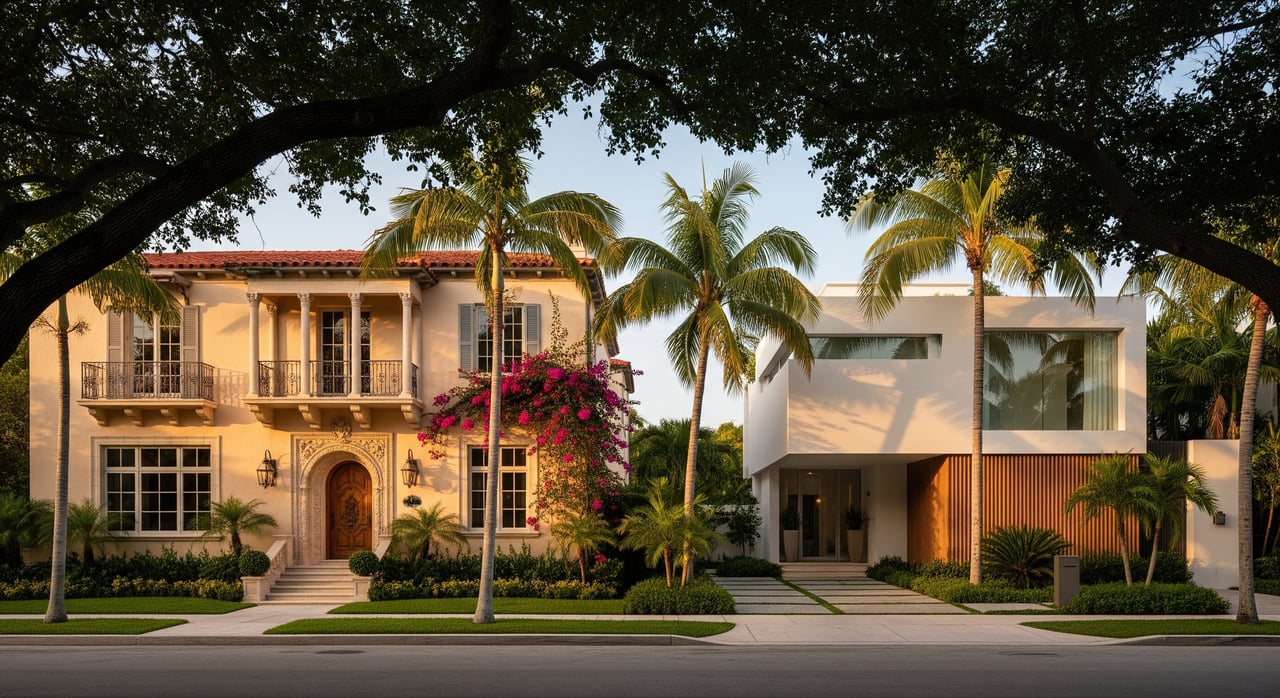
Thinking about a Coral Gables home but torn between Mediterranean character and Contemporary ease? You’re not alone. Both styles thrive here, each with its own strengths for lifestyle, maintenance, and resale. In this guide, you’ll compare the core features, climate resilience, renovation rules, and market signals that matter in Coral Gables so you can choose with confidence. Let’s dive in.
Why style matters in Coral Gables
Coral Gables grew out of the 1920s boom and is strongly tied to Mediterranean Revival architecture. That legacy still shapes neighborhood character and buyer expectations today. The city also has a Historic Preservation program, so exterior changes in designated districts usually require review and approval.
You also have to navigate Florida Building Code standards and Miami‑Dade wind requirements. Since Hurricane Andrew, rules around impact‑resistant glazing, roof connections, and inspections have grown more stringent. These standards can influence how you upgrade windows, roofing, and openings, and they can also affect insurance and wind mitigation credits.
For any exterior plans, confirm if the home sits in a historic district or has individual designation. Then factor in the Florida Building Code and Miami‑Dade permitting before you budget or schedule work.
Mediterranean essentials
Mediterranean homes in Coral Gables often date to the 1920s and 1930s. They tend to sit in established neighborhoods and may include sympathetic new builds that preserve the classic look.
- Exterior: Irregular footprints, asymmetry, arcades and loggias, enclosed courtyards, and decorative eaves. Roofs typically use clay barrel tiles with low to medium pitches.
- Walls and details: Stucco with textured finishes, stone or colorful tile accents, wrought iron railings, and wood shutters.
- Windows and doors: Arched, recessed openings and smaller, vertically proportioned windows on historic examples.
- Interiors: Formal living and dining rooms, plaster walls, tile or wood floors, beamed ceilings, and outdoor rooms like covered loggias and balconies.
- Landscape: Mature plantings, Mediterranean‑inspired palettes, fountains, and stone or brick paving.
The appeal is timelessness, heritage, and a strong sense of place that aligns with the city’s identity.
Contemporary essentials
Contemporary homes in Coral Gables are often newer infill or custom builds. Many adapt modern design to the South Florida climate and focus on open living.
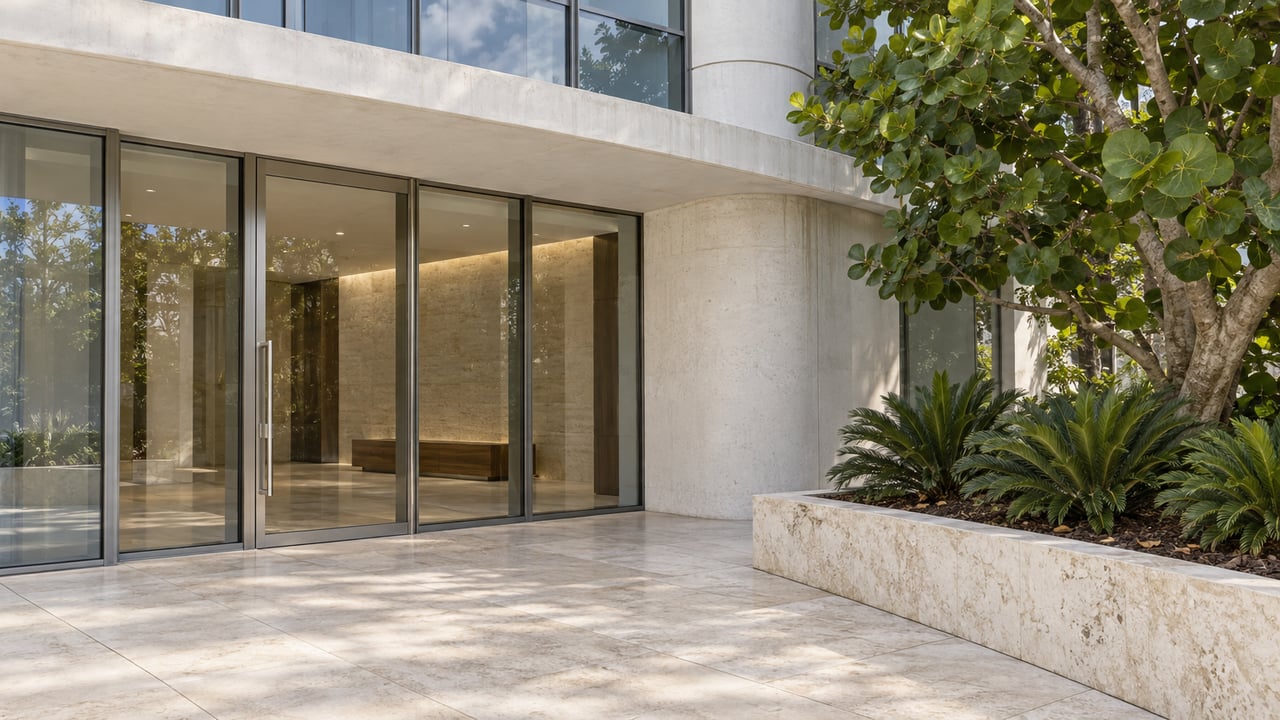
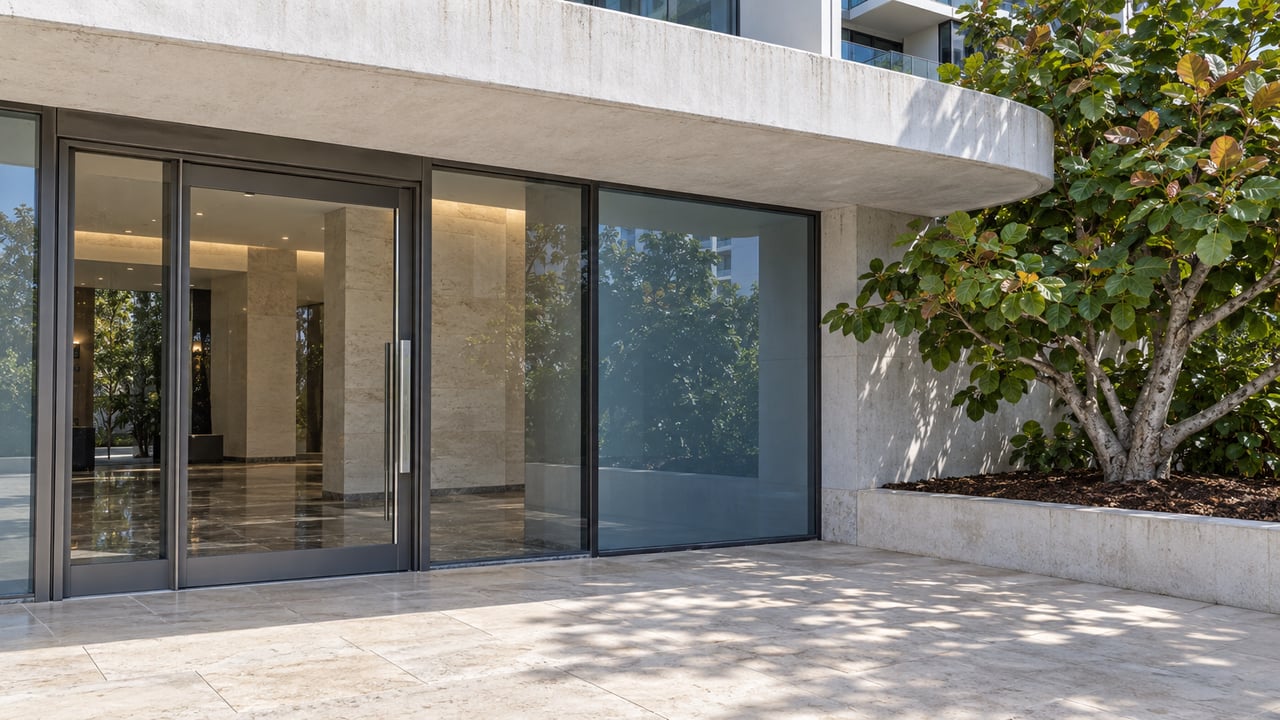
- Exterior: Clean lines, geometric forms, and flat or low‑slope roofs. Emphasis on volume, light, and indoor‑outdoor flow.
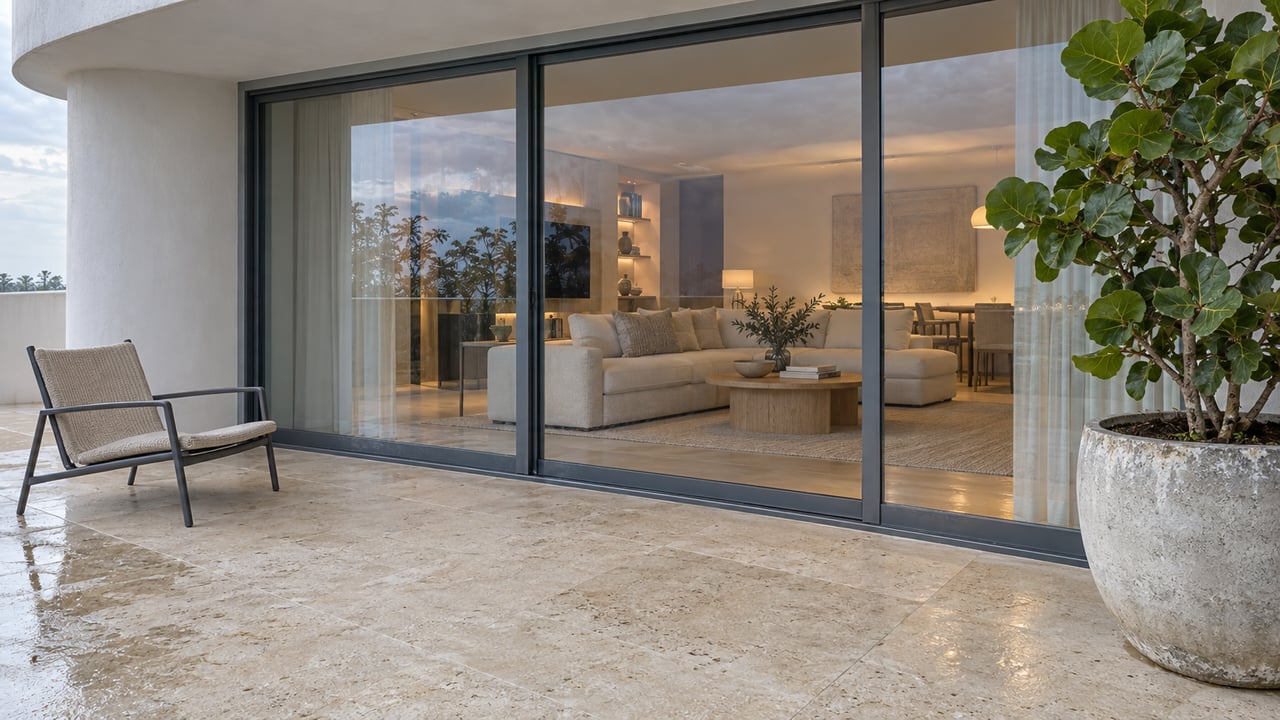
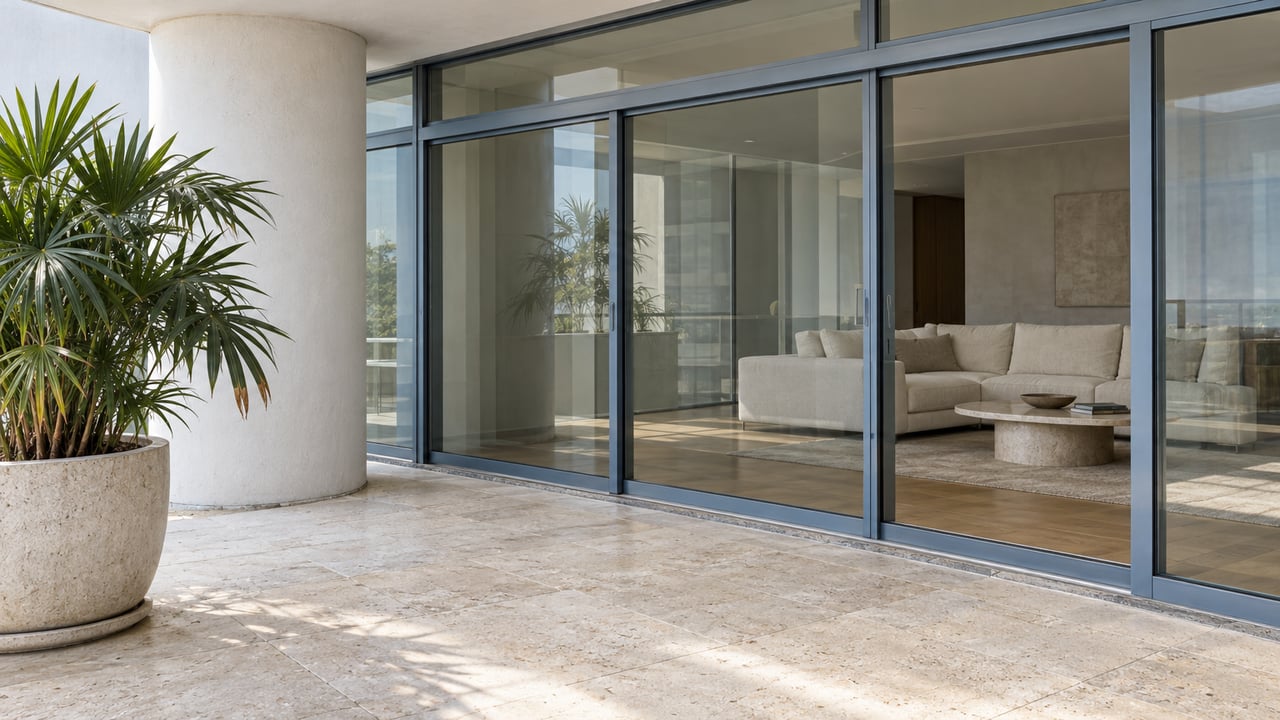
- Walls and materials: Smooth stucco, cement panels, metal, glass, natural stone, and sometimes exposed concrete. Large sliding doors and floor‑to‑ceiling windows are common.
- Windows and doors: Expansive glazing, corner windows, and minimal frames to maximize views and daylight. Impact glass is typical.
- Interiors: Open plans with integrated kitchen‑family spaces, large islands, modern systems, and minimal ornament.
- Landscape: Low‑maintenance modern tropical palettes with strong connections to pool and outdoor entertaining areas.
The appeal is modern luxury, openness, and seamless indoor‑outdoor living.
Climate, upkeep, and resilience
Coral Gables’ heat, humidity, salt air, and storm risk put specific demands on both styles.
Roofing
- Mediterranean: Clay barrel tile is durable with long replacement cycles. Tiles can be brittle in high winds, so plan for regular inspections and occasional replacements. Underlayment integrity is key.
- Contemporary: Flat or low‑slope roofs often use membrane systems or metal. They need careful drainage and consistent maintenance to prevent ponding and leaks.
Exterior walls and finishes
- Mediterranean stucco can crack over time and needs timely repair and repainting. Use proper flashing and drainage to manage moisture.
- Contemporary cladding varies. Metal panels require coating care in salt environments. Large glass areas need seal upkeep and thoughtful thermal performance.
Windows and openings
- Large glass walls in contemporary homes increase the need for impact‑rated systems and proper detailing.
- Upgrading older Mediterranean windows to impact glass can be complex. Arched or curved openings may require custom units, which raises cost and lead times.
HVAC, humidity, and mold
- Both styles need strong HVAC and moisture control. Older Mediterranean homes may have smaller systems or older ductwork. Contemporary open plans often need greater capacity and dehumidification.
- Proper insulation and ventilation reduce mold risk in stucco assemblies and enclosed spaces.
Landscaping and drainage
- Mediterranean landscapes with mature plantings need ongoing pruning, irrigation, and root management.
- Contemporary minimal landscapes can lower routine care but still require careful stormwater design and attention to canopy and roots.
Costs and insurance cues
Long‑term costs vary by property size and finish level, but there are consistent patterns to plan for:
- Stucco and trim typically need repainting within 7 to 15 years.
- Clay tile roofs require intermittent tile replacement, with full replacement on longer cycles.
- Flat or low‑slope membranes may need replacement within 15 to 25 years depending on material and exposure.
- Custom arched windows and historic‑style materials increase renovation costs.
- Impact glazing and structural upgrades for wind resistance often carry higher upfront costs but can improve resilience, widen buyer appeal, and may help with insurance credits.
Work with local contractors or estimators for accurate budgeting, and verify insurance impacts based on your home’s features.
Demand, comps, and resale
Buyer preferences in Coral Gables are diverse. Many luxury buyers value Mediterranean character, mature landscaping, and historic charm. Others, especially those relocating or seeking a turnkey lifestyle, prefer open plans, large glazing, and modern amenities.
Neighborhood context and comparable sales are crucial. A modern home among Mediterranean properties can still command top value if well executed, but design fit matters. Appraisals focus on recent comps and will weigh size, condition, lot, and location while adjusting for style and features.
Historic designation can deliver prestige and protect neighborhood character, which some buyers view as a positive. It can also add steps for exterior changes, which investors planning extensive modifications should consider.
How to choose your fit
Use this quick lens as you evaluate options:
- You prioritize heritage and crafted detail: Mediterranean may suit you, especially if you love courtyards, textured finishes, and a sense of permanence.
- You value openness and light: Contemporary likely fits, with large sliding doors, high ceilings, and indoor‑outdoor flow.
- You want a blend: A traditional exterior with a sympathetic contemporary interior can broaden appeal and support long‑term resale.
Before you decide, assess roof condition, hurricane protections, stucco or cladding integrity, and HVAC capacity. Confirm any historic constraints early in your process.
Renovation rules and permits
Plan ahead if you intend to change the exterior. In historic districts or on designated properties, visible exterior work typically requires review by the city’s Historic Preservation Board. Even outside these areas, you must follow Miami‑Dade permitting and Florida Building Code requirements for wind loads, glazing, and roof construction.
Demolition and new construction rules vary by area. Engage with city planning and building departments early so your timeline and budget reflect real approval steps.
Seller prep by style
Your goal is to meet buyers where they are while protecting the home’s character and value.
- Mediterranean: Restore and showcase original details like tile, ironwork, and wood elements. Highlight courtyards, loggias, and garden rooms. Use warm, period‑aware staging without over‑decorating.
- Contemporary: Keep staging minimal to emphasize volume, light, and sightlines. Showcase indoor‑outdoor flow, pool areas, modern systems, and smart features.
- For both: Consider hurricane‑related upgrades if missing, such as impact windows or improved roof fastening. Provide maintenance records, permits, and wind mitigation documentation to build buyer confidence.
Ready to compare homes?
Whether you lean classic or modern, the right Coral Gables property should align with your lifestyle, risk tolerance, and long‑term plan. If you want a discreet, data‑informed assessment of style fit, renovation feasibility, and resale positioning, schedule a private conversation with the JJABREU Group.
FAQs
What defines Mediterranean homes in Coral Gables?
- Mediterranean homes feature stucco walls, clay tile roofs, arches, courtyards, and wrought iron details, reflecting the city’s 1920s Mediterranean Revival heritage.
Are flat roofs on contemporary homes reliable in Miami’s climate?
- Yes, when properly designed and maintained. Flat or low‑slope roofs need quality membrane systems, correct drainage, and routine inspections to prevent ponding and leaks.
How do historic districts affect exterior renovations in Coral Gables?
- If a home is in a historic district or is designated, exterior changes visible from the street usually require Historic Preservation Board review and approval.
Can impact windows reduce insurance costs in Miami‑Dade?
- Impact windows and other wind mitigation features can help with insurance credits and resilience, but exact savings depend on your insurer and home profile.
Which upgrades deliver strong resale value in Coral Gables?
- High‑quality kitchen and bathroom updates and resilience improvements like impact glass, roof fastening, and modern HVAC typically help marketability and buyer confidence.