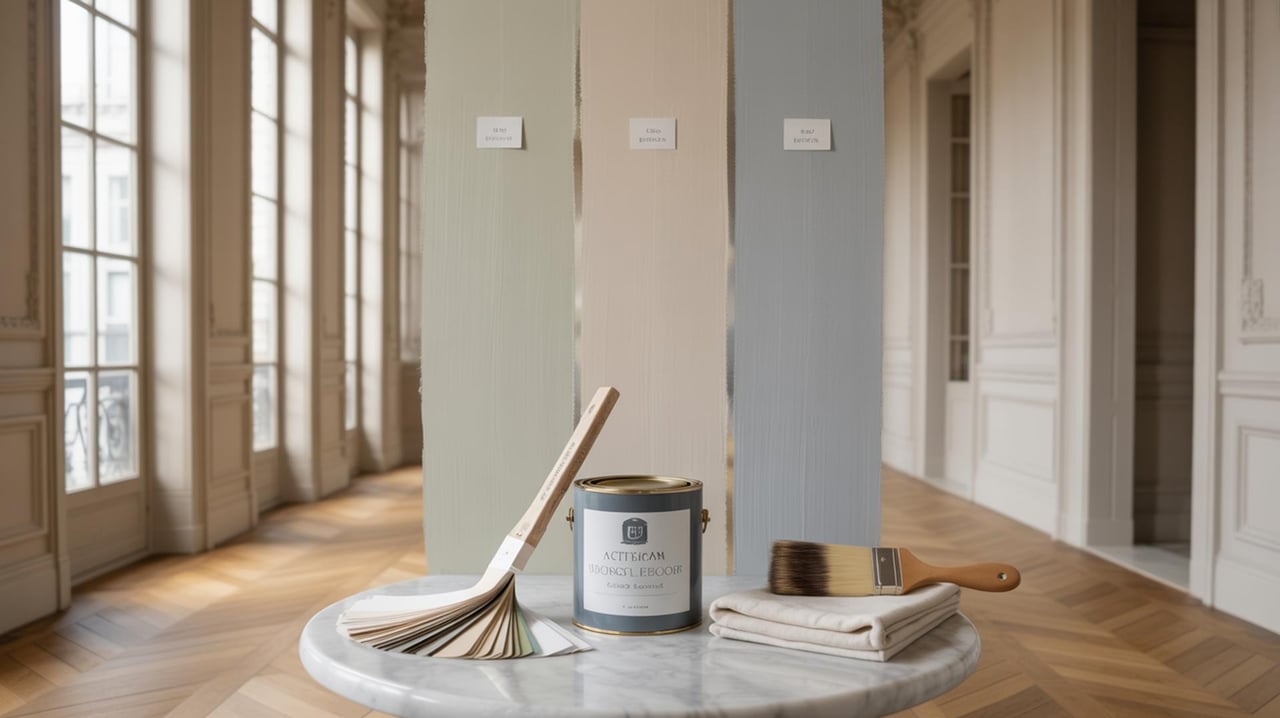
Choosing the right paint tones for your home can transform your living space, creating an atmosphere that reflects your personal style and enhances the overall aesthetic. The science of color plays a crucial role in this process, offering insights into how different hues interact with light and space. By understanding these principles, homeowners can make informed decisions that result in a harmonious and visually appealing environment.
Understanding Color Theory
Color theory is the foundation of selecting the perfect paint tones. It involves understanding the color wheel, which consists of primary, secondary, and tertiary colors. Primary colors—red, blue, and yellow—are the building blocks of all other colors. Secondary colors, such as green, orange, and purple, are created by mixing primary colors. Tertiary colors result from combining primary and secondary colors. Familiarity with the color wheel helps in creating complementary and analogous color schemes, which are essential for achieving balance and harmony in a room.
The Role of Light in Color Perception
Light significantly influences how paint colors appear in a space. Natural light changes throughout the day, affecting the way colors are perceived. For instance, a room with ample sunlight may make colors appear brighter and more vibrant, while artificial lighting can alter the tone and warmth of a color. Understanding the type of lighting in a room—whether it's natural, incandescent, or LED—can guide homeowners in selecting paint tones that maintain their desired appearance under different lighting conditions.
Choosing the Right Finish
The finish of a paint can impact the final look and feel of a room. Paint finishes range from matte to high gloss, each offering unique characteristics. Matte finishes provide a smooth, non-reflective surface that can hide imperfections, making them ideal for ceilings and low-traffic areas. Satin and eggshell finishes offer a slight sheen, adding depth and dimension to walls while being easy to clean. High-gloss finishes are highly reflective and durable, suitable for trim and cabinetry. Selecting the appropriate finish can enhance the overall effect of the chosen paint color.
Considering Room Functionality
The function of a room should influence paint color selection. Different colors evoke different emotions and can affect the mood of a space. For instance, soft blues and greens are calming and work well in bedrooms and bathrooms, while warm tones like reds and yellows can energize a kitchen or dining area. Neutral colors, such as grays and beiges, offer versatility and can create a sophisticated backdrop for living rooms and offices. Understanding the purpose of each room helps in choosing colors that complement its intended use.
Testing Paint Samples
Before committing to a paint color, testing samples on the walls is a crucial step. Paint swatches can look different on a wall than they do on a sample card due to lighting and surrounding colors. Applying test patches in various areas of the room allows homeowners to observe how the color interacts with light and other elements in the space. It's advisable to view these samples at different times of the day to ensure satisfaction with the color choice under all lighting conditions.
Creating a Cohesive Color Palette
A cohesive color palette ensures that all rooms in a home flow seamlessly from one to the next. This can be achieved by selecting a base color and building a palette around it using complementary or analogous colors. Incorporating accent colors through accessories, furniture, or feature walls can add interest and depth. A well-thought-out color palette creates a unified look, enhancing the overall aesthetic of the home.
The Impact of Undertones
Undertones are subtle hues that can influence the perception of a paint color. Understanding undertones is essential for selecting colors that complement each other and the existing elements in a room. For example, a gray paint may have blue, green, or purple undertones, which can affect how it pairs with other colors. Identifying undertones helps in avoiding clashes and achieving a harmonious color scheme.
The Influence of Trends
While trends can offer inspiration, it's important to choose paint colors that resonate with personal style and preferences. Trends come and go, but the colors in a home should reflect the homeowner's taste and the ambiance they wish to create. Incorporating trendy colors through easily changeable elements, such as accessories or accent walls, allows for flexibility without committing to a complete overhaul when trends shift.
The Psychological Effects of Color
Colors have psychological effects that can influence mood and behavior. Warm colors, like red and orange, can stimulate and energize, while cool colors, like blue and green, have a calming effect. Neutral colors provide balance and can create a sense of serenity. Understanding these effects can guide homeowners in selecting colors that align with the desired atmosphere of each room, enhancing comfort and well-being.
The Importance of Personal Preference
Ultimately, personal preference should guide the selection of paint tones. While color theory and trends offer valuable insights, the colors chosen should reflect the homeowner's personality and style. A home is a personal sanctuary, and the paint colors should contribute to a space that feels welcoming and true to the individual's taste. By prioritizing personal preference, homeowners can create a space that is uniquely theirs, fostering a sense of pride and satisfaction.
Transform Your Space with the Right Colors
Choosing the perfect paint tones can truly transform your living space, making it feel more inviting and personalized. By understanding color science, you can create an atmosphere that reflects your style and enhances your home's beauty. Whether you're refreshing a single room or your entire home, the right colors can make all the difference. For expert advice and personalized guidance, reach out to the JJABREU Group today and take the first step towards your dream home.