Curious what life actually feels like inside Downtown Miami’s newest condo towers? For many buyers, the question is not just about square footage or views. It is about how the building, the neighborhood, and your daily routine work together. If you are weighing Downtown Miami as a primary residence, second home, or investment, this guide will show you how the area’s new towers shape everyday living from morning workouts to waterfront evenings. Let’s dive in.
Downtown Miami Feels More Like a True Urban Core
Downtown Miami is no longer just a place people pass through on the way to work or events. According to the Miami Downtown Development Authority, the district now has more than 100,000 residents and supports more than 155,000 jobs. That scale helps explain why the area feels increasingly active throughout the day and into the evening.
For you as a buyer, that matters because the newest condo towers are rising in a neighborhood that already supports a live, work, dine, and entertain routine. The district’s planning focus includes the central business district, the Arts & Entertainment District, Brickell, and the waterfront, which reinforces Downtown’s role as a connected urban center.
New Towers Prioritize Arrival and Service
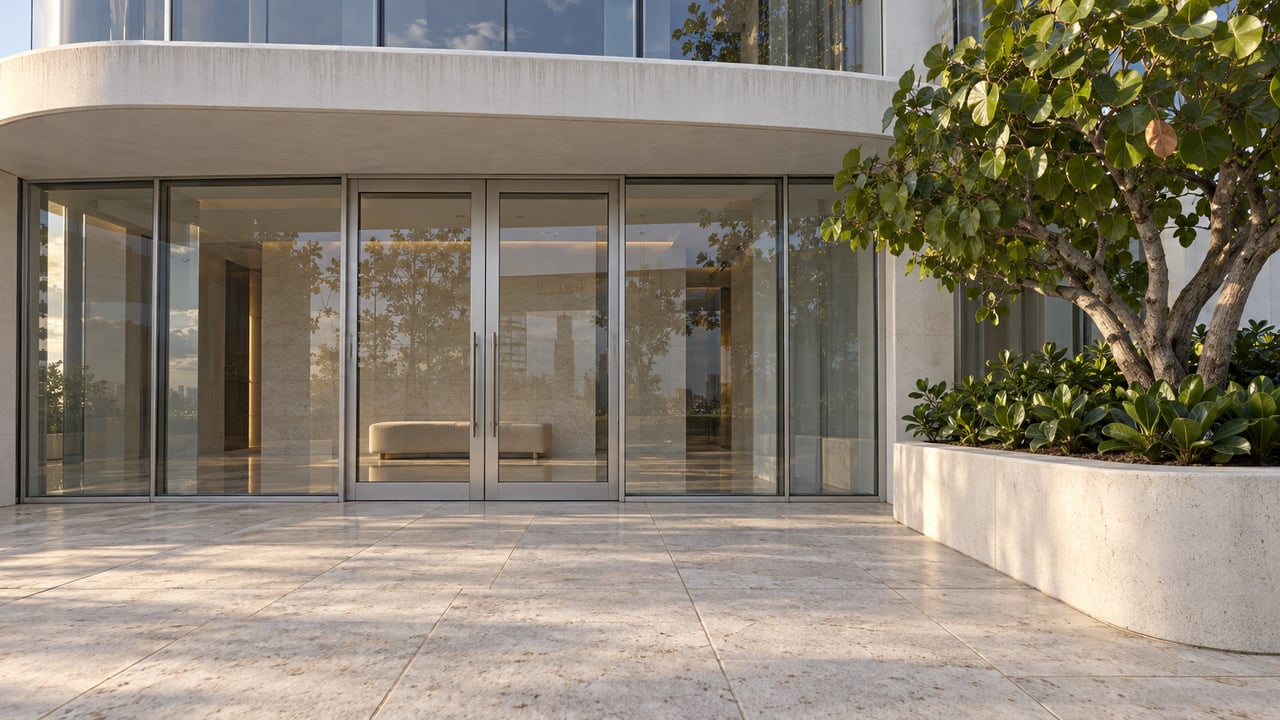
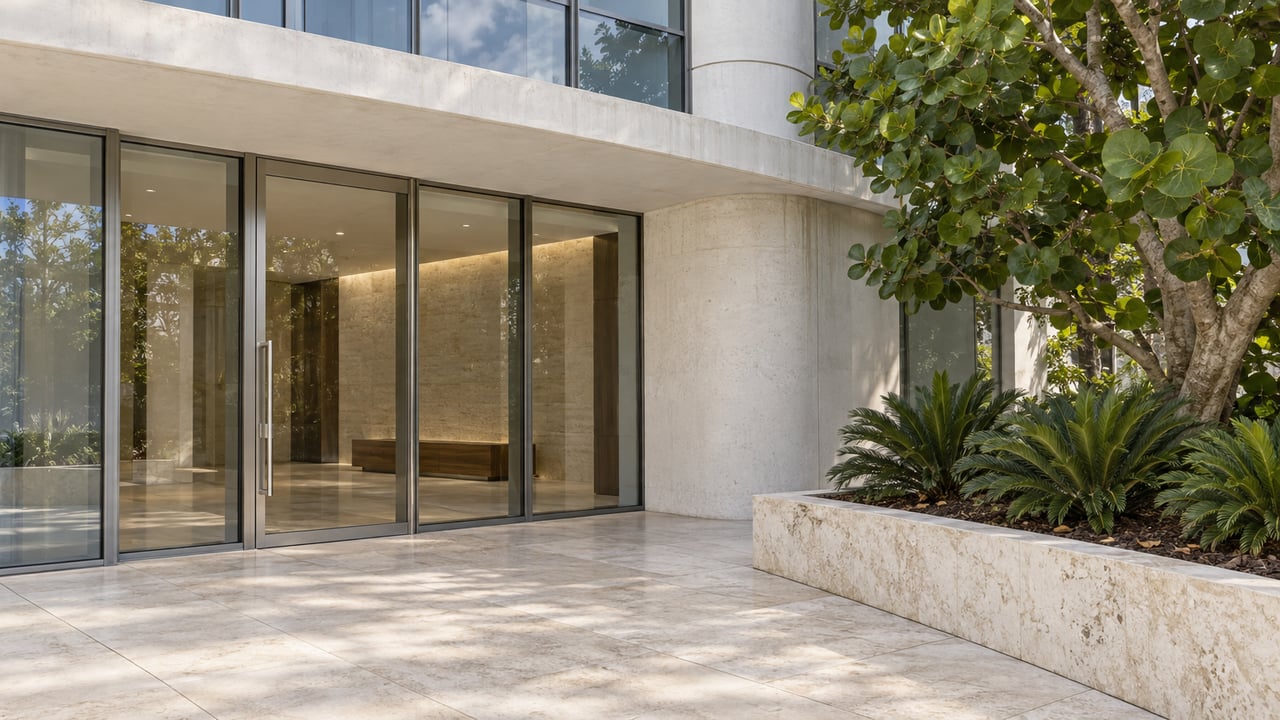
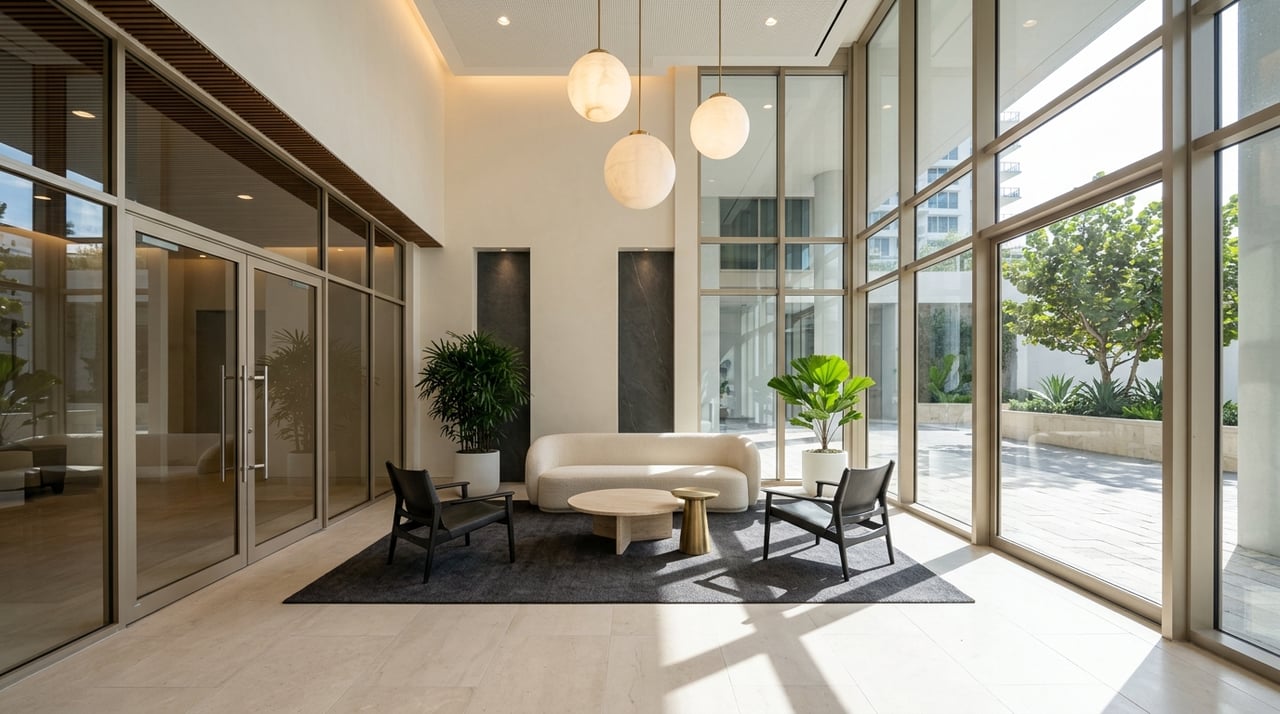
One of the clearest shifts in Downtown Miami’s newest residential product is how much attention goes to the arrival experience. In towers like HUB Miami, amenities begin with a dedicated residential lobby, 24/7 concierge and security, controlled access, and high-speed elevators. These details shape how the building feels every time you come home.
For many buyers, this creates a more refined rhythm to daily life. You are not simply entering a residential building. You are stepping into an environment designed around convenience, privacy, and a more service-driven standard.
Some buildings also add practical features that support everyday routines. HUB Miami, for example, lists a dog grooming station, which shows how many new projects are thinking beyond the basics and designing for full-time urban living.
Wellness and Work Are Built Into the Building
In Downtown Miami’s new condo towers, the amenity package often functions as an extension of your home. Rather than offering a simple gym and pool, many projects now stack wellness, social, and productivity spaces into one vertical lifestyle.
At HUB Miami, that includes a co-working lounge, fitness center, yoga and spin room, spa with sauna and cold plunge, and a rooftop pool and lounge. Paramount at Miami Worldcenter also highlights a broad amenity mix with relaxation areas, spas and salons, indoor sports and entertainment spaces, skydecks, lounges, multiple pools, and an observatory.
What that means in practice is simple. Your daily routine can move from morning coffee to a workout, then to a co-working session, then to dinner plans without leaving the broader district. For buyers who value efficiency, this kind of setup can be one of Downtown’s strongest lifestyle advantages.
Hospitality-Style Living Is Becoming More Common
Some of the newest luxury projects are also blending residential living with hotel-style service. Waldorf Astoria Residences Miami advertises a sky-high residential lobby with bay views, Peacock Alley, and access to hotel benefits along with spa or restaurant privileges.
That points to a broader trend in Downtown’s luxury market. New towers are increasingly designed to offer a hybrid of private residence and hospitality experience. If you want a home that feels polished, serviced, and guest-ready, this model is becoming more visible in the newest inventory.
Turnkey Options Support Flexible Ownership
Another notable feature in some newer buildings is the turnkey approach. HUB Miami markets finished and furnished residences, which reflects a product type that can appeal to second-home buyers and investors who want a more streamlined setup.
For you, that can reduce the friction that sometimes follows a purchase. Instead of planning a long post-closing furnishing process, you may find options that are already designed to support immediate use.
Getting Around Downtown Is Easier Than Many Buyers Expect
Daily life in Downtown Miami is not built around long drives for every errand or outing. Mobility here is increasingly shaped by short trips, public transit, and micro-mobility.
The Metromover is free, runs seven days a week, and serves 21 stations across Downtown, Brickell, and Omni. It connects major destinations such as Kaseya Center, Bayside Marketplace, Miami Dade College, and the Miami-Dade County School Board.
That gives you a practical way to move through the district without always relying on a car. If your building is near a station, the convenience can become part of your regular routine for meetings, dining, events, and day-to-day errands.
On-Demand Rides Add Another Layer
The Miami Downtown Development Authority has expanded Freebee service with on-demand electric rides across Brickell, the Central Business District, and the Arts & Entertainment District. The service links offices, restaurants, museums, and waterfront destinations.
This matters because it fills the gaps between walking and rail. On a hot day, before dinner, or when you want an easy ride to a museum or waterfront stop, that extra mobility can make the district feel more connected and usable.
Walkability and Bike Access Are Improving
Downtown is also investing in the public realm. The Miami DDA reports that Downtown now has 6,050 feet of separated bike lanes and 850 feet of parking-protected bike lanes that connect Government Center, MiamiCentral, Miami Dade College, and several Metromover stations.
The broader goal is for workers, residents, students, and visitors to reach mass transit within a 5 to 10 minute walk. For you, that points to a neighborhood being shaped for shorter, simpler trips rather than constant dependence on parking and traffic.
Arts and Entertainment Can Become Part of Your Routine
One of Downtown Miami’s strongest lifestyle advantages is that culture is not an occasional event here. It can be part of your weekly rhythm. The Miami DDA describes Downtown as an international center for arts, culture, and entertainment, anchored by institutions like the Adrienne Arsht Center, Kaseya Center, Olympia Theater, Pérez Art Museum Miami, Frost Science, and YoungArts.
The Arsht Center alone reports more than 400 annual events. That kind of programming gives you regular access to performances and events without needing to leave the district.
For buyers comparing Downtown with other Miami neighborhoods, this concentration of venues is meaningful. It supports a lifestyle where a weekday dinner can turn into a show night, or a casual weekend can include a museum visit and a walk along the bay.
Waterfront Museums Add to the Experience
Pérez Art Museum Miami sits on Biscayne Bay between the Arsht Center and Kaseya Center, and its Verde restaurant extends the visit onto a waterfront terrace. Frost Science is located in Maurice A. Ferré Park, which blends museum access with open park space along the water.
That combination gives Downtown a lifestyle edge that feels distinctly local. You are not choosing between city energy and waterfront calm. In many cases, you get both in the same afternoon.
Dining Is Broad, Not Narrow
A common misconception is that Downtown Miami revolves around a handful of high-profile venues. In reality, the dining scene is broad and layered. The Miami DDA counts more than 350 eateries, ranging from ventanitas and corner cafés to five-star restaurants.
Miami Worldcenter adds to that mix with an open-air district where restaurants, cafés, bars, and lounges sit side by side. For you, this means daily life can feel flexible. One day might be a quick coffee and a casual lunch. The next might be drinks, dinner, and a night out without leaving the neighborhood.
That range is part of what makes the newest towers so appealing to many buyers. The building may offer impressive amenities, but the surrounding streets also support a real urban lifestyle.
The Waterfront Is Becoming More Usable
Downtown Miami’s connection to the water is also growing in a more practical way. The Baywalk and Riverwalk are central to that shift. According to the Miami DDA, the 5-mile Downtown Baywalk is 89% complete, while the 10-mile Miami Riverwalk and on-road Greenway are 68% complete.
These projects are helping turn the waterfront into a more continuous part of daily life. Instead of being something you only look at from a balcony, the bay and riverfront are becoming spaces you can move through, enjoy, and revisit regularly.
The DDA’s activation programming has included moonlight kayaking, paddleboarding, live music, painting, and food festivals. That tells you the waterfront is being shaped not just as scenery, but as an active part of the neighborhood experience.
Street-Level Change Matters Too
Flagler Street offers a useful example of how Downtown is evolving on the ground. City updates describe expanded sidewalks, outdoor dining, improved lighting, signage, and public art as part of the Downtown Flagler Street Beautification Project.
For residents, those upgrades matter because they shape the feel of everyday movement. A better street experience changes how often you walk, where you spend time, and how connected the neighborhood feels between tower, transit stop, restaurant, and waterfront.
What Daily Life Really Looks Like
If you put all of these pieces together, daily life in Downtown Miami’s new condo towers feels layered and efficient. It may start with an attended lobby, continue with a gym or wellness session, move into a co-working lounge or short commute, and end with dinner, a museum stop, or a walk along the bay.
That is what makes the neighborhood increasingly compelling. The appeal is not just the architecture or the views. It is the way new residential towers, transit options, cultural venues, dining, and public-space improvements work together to support a more complete urban routine.
For buyers seeking a polished, service-oriented lifestyle in Miami, Downtown is becoming easier to understand and easier to imagine living in every day.
If you are considering Downtown Miami’s newest condo opportunities, JJABREU Group offers private, high-touch guidance tailored to luxury buyers, second-home purchasers, and investors seeking informed access to the market.
FAQs
What is daily life like in Downtown Miami’s new condo towers?
- Daily life often blends attended lobbies, wellness amenities, co-working spaces, short local trips, dining, arts venues, and waterfront access into one urban routine.
How do new Downtown Miami condo buildings support work-from-home living?
- Some newer towers, such as HUB Miami, include co-working lounges and lifestyle amenities that make it easier to balance work, fitness, and home life in one building.
How do residents get around Downtown Miami without driving everywhere?
- Residents can use the free Metromover, on-demand Freebee rides, walking routes, and Downtown’s growing bike-lane network for many short trips.
What kinds of amenities are common in Downtown Miami’s newer towers?
- Common features in newer buildings include concierge service, controlled access, fitness centers, wellness spaces, rooftop pools, lounges, and in some cases hotel-style benefits or furnished residences.
What makes Downtown Miami different from other Miami condo markets?
- Downtown stands out for its mix of residential towers, transit access, arts and entertainment venues, broad dining options, and ongoing waterfront and street-level improvements.
Is Downtown Miami a walkable area for condo owners?
- Downtown is becoming more pedestrian-oriented through projects like the Baywalk, Riverwalk, bike-lane expansion, and streetscape improvements such as the Flagler Street reconstruction.